
Editor’s Note: There is no formally recognised speciality of “Aesthetic Doctor”; it is merely a colloquial term often used to refer to a GP or dentist with a special interest in aesthetic medicine.
Patients today are more informed than ever, yet one area that still causes confusion is understanding who is qualified to perform which aesthetic treatments and procedures. As non-surgical procedures become more advanced and surgical procedures more visible online, the lines can appear blurred. In this expert-led feature, Paola Chellew speaks with voices in South Africa’s aesthetic and surgical community to bring clarity to the roles, training, and scope of aesthetic doctors and plastic surgeons, helping patients make informed and safe decisions.
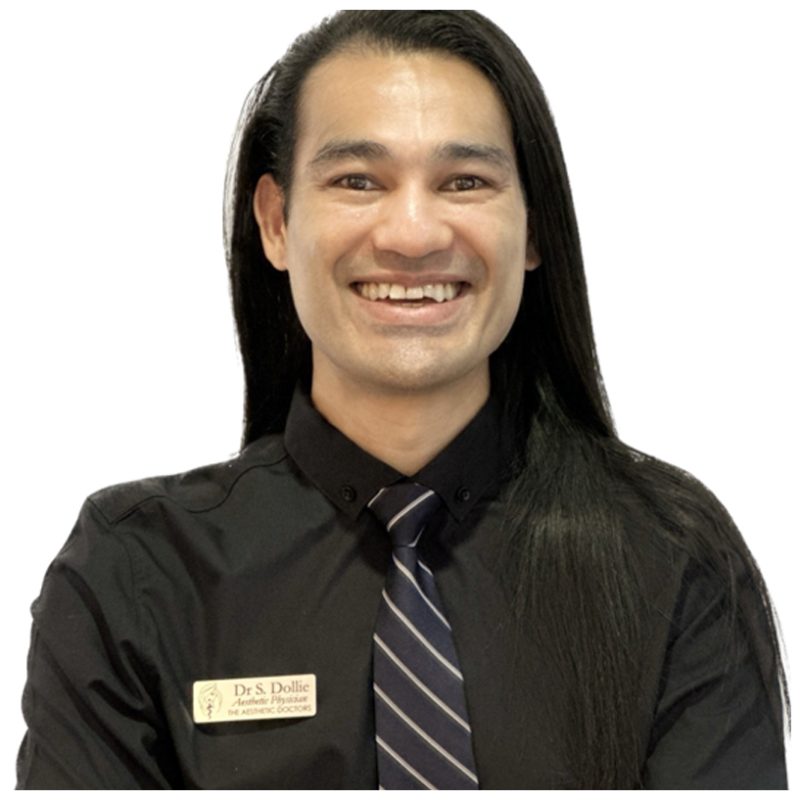
Contributing to this discussion are Dr Shahien Dollie, general practitioner (GP with an interest in Aesthetic Medicine) and Treasurer of Aesthetic and Anti-Ageing Medicine Society of South Africa (AAMSSA); Dr Dirk Lazarus, plastic surgeon and President of Association of Plastic, Reconstructive and Aesthetic Surgeons of Southern Africa (APRASSA); and Dr Edward Ngwenya, plastic surgeon, APRASSA member, and Committee Member of AAMSSA.

For context, AAMSSA represents medical doctors practising aesthetic medicine, with a focus on ethical, evidence-based, non-surgical treatments. APRASSA represents specialist plastic and reconstructive surgeons and serves as a key professional body for surgical standards, training, and patient safety in Southern Africa.


Understanding the difference between non-surgical and surgical scopes
While both aesthetic doctors and plastic surgeons play important roles in aesthetic medicine, their training pathways and scopes of practice differ significantly.
The distinction becomes particularly important when patients are considering treatments that may cross from non-surgical into surgical territory.
Aesthetic Doctors (GPs with a Special Interest in Aesthetics)
(Answered by Dr Shahien Dollie)
1. Training and Qualifications
What training and qualifications are required to practise aesthetic medicine in South Africa?
- MBChB- Bachelor of Medicine and Bachelor of Surgery
- Full registration with the HPCSA (Health Professions Council of South Africa) as an independent medical practitioner.
- Aesthetic medical training, which, while not yet formally regulated by the HPCSA as a separate speciality, is essential for safe practice. Many aesthetic medical doctors complete:
- Aesthetic medical diplomas/certificates (from the Foundation for Professional Development, or the American Academy of Aesthetic Medicine).
- Product-specific and device-specific training that is recognised by the industry and CPD compliant.
2. Professional Membership
Which professional bodies should an aesthetic doctor ideally belong to, and why does this matter?
Mandatory:
The HPCSA (Health Professions Council of South Africa) which is the statutory regulator of all health professions in South Africa.
Recommended:
- AAMSSA (Aesthetic and Anti-Aging Medicine Society of South Africa), which supports evidence-based aesthetic practice and promotes ethical guidelines.
- CMAC (Complications in Medical Aesthetics Collaborative), which provides peer support, complication-management guidance, and access to expert networks.
- IMCAS (International Course on Aging Science Academy) / DASIL (Dermatology, Aesthetics, and Surgery International League) / other relevant international organisations, which provide extensive tools for ongoing education, support and development in the field of aesthetic medicine and surgery.
Membership signals commitment to ethics, continuous training, and accountability.
3. Scope of Practice
According to the rules of these organisations, which procedures are you permitted to perform as an aesthetic doctor? Are GPs allowed to perform cosmetic surgical procedures such as liposuction or blepharoplasty?
The HPCSA, as the ultimate regulator of all medical professions, maintains that General Practitioners may only perform professional acts for which they have adequate education, training, and experience. Although there may be some GPs that have demonstrated competency in certain cosmetic surgical procedures to the HPCSA, in general, Aesthetic Medical Doctors are generally restricted to non-surgical procedures, including:
- Botulinum toxin injections
- Tissue fillers and biostimulators
- Energy-based device therapy (lasers, RF, ultrasound, IPL, plasma)
- Chemical Peels
- Threads
- PRP, PRF, Exosome, microneedling, mesotherapy
- Minor office-based procedures
4. Verification and Ethics
How can patients check that their aesthetic doctor is properly trained, registered, and compliant with HPCSA ethical standards?
Patients should:
- Check HPCSA registration via the official lookup portal (https://hpcsaonline.custhelp.com/app/i_reg_form).
- Confirm membership with AAMSSA (https://aestheticdoctors.co.za/find-a-doctor/) or other recognised organisations.
- Review training certificates (which reputable practitioners openly provide).
- Ensure treatments occur in a properly equipped medical environment with clear consent processes.
- Observe adherence to HPCSA ethical rules regarding advertising, claims, and patient communication.
Transparency is a key marker of ethical practice.
5. Collaboration with Surgeons
If a patient is considering cosmetic surgery, is it appropriate for them to seek advice from their general practitioner (with an interest in aesthetics)?
Yes, aesthetic doctors can:
- Provide guidance on whether surgery or non-surgical options are more appropriate.
- Help set realistic expectations.
- Refer the patient to a fully qualified plastic and reconstructive surgeon when surgical intervention is needed.
- Coordinate pre- and post-treatment care when appropriate.
This collaborative approach supports safer and more informed decision-making.
6. Safety and Risks
What are the main risks when aesthetic treatments are performed by non-medical persons?
When aesthetic treatments are performed by non-medical persons (beauty therapists, lay injectors, unregistered providers), the risks escalate dramatically.
These include:
- Misdiagnosis and poor patient selection.
- Increased risk of severe adverse events, such as vascular occlusion (a medical emergency when filler is injected into a blood vessel), which may lead to tissue necrosis and even blindness from fillers.
- Infections due to improper sterilisation and inappropriate procedure settings.