*Sponsored post: Blue Sky Distribution*
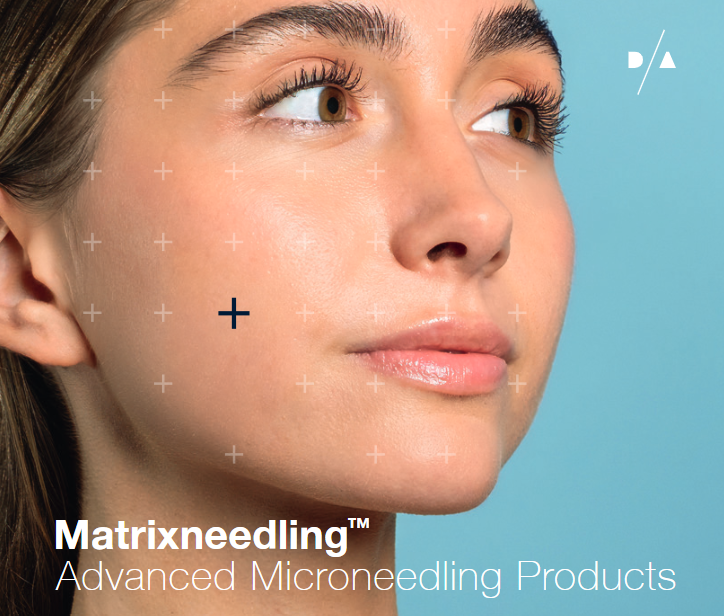
Microneedling may be where the D/A story begins, but it is certainly not where it ends. Available in South Africa through Blue Sky Distribution, D/A brings together advanced microneedling technology, regenerative biologics, sterile professional formulations and indication-specific protocols within one complete treatment ecosystem. At the centre of its latest regenerative approach are autologous human exosomes – microscopic cellular messengers obtained from the patient’s own biological material, meaning they come from you.

The future of aesthetic medicine is moving beyond standalone devices. As patients expect more targeted, consistent results across an increasingly varied range of concerns, the conversation is no longer only about which microneedling pen a clinic uses. It is about the full treatment system around it.
This is the thinking behind D/A.
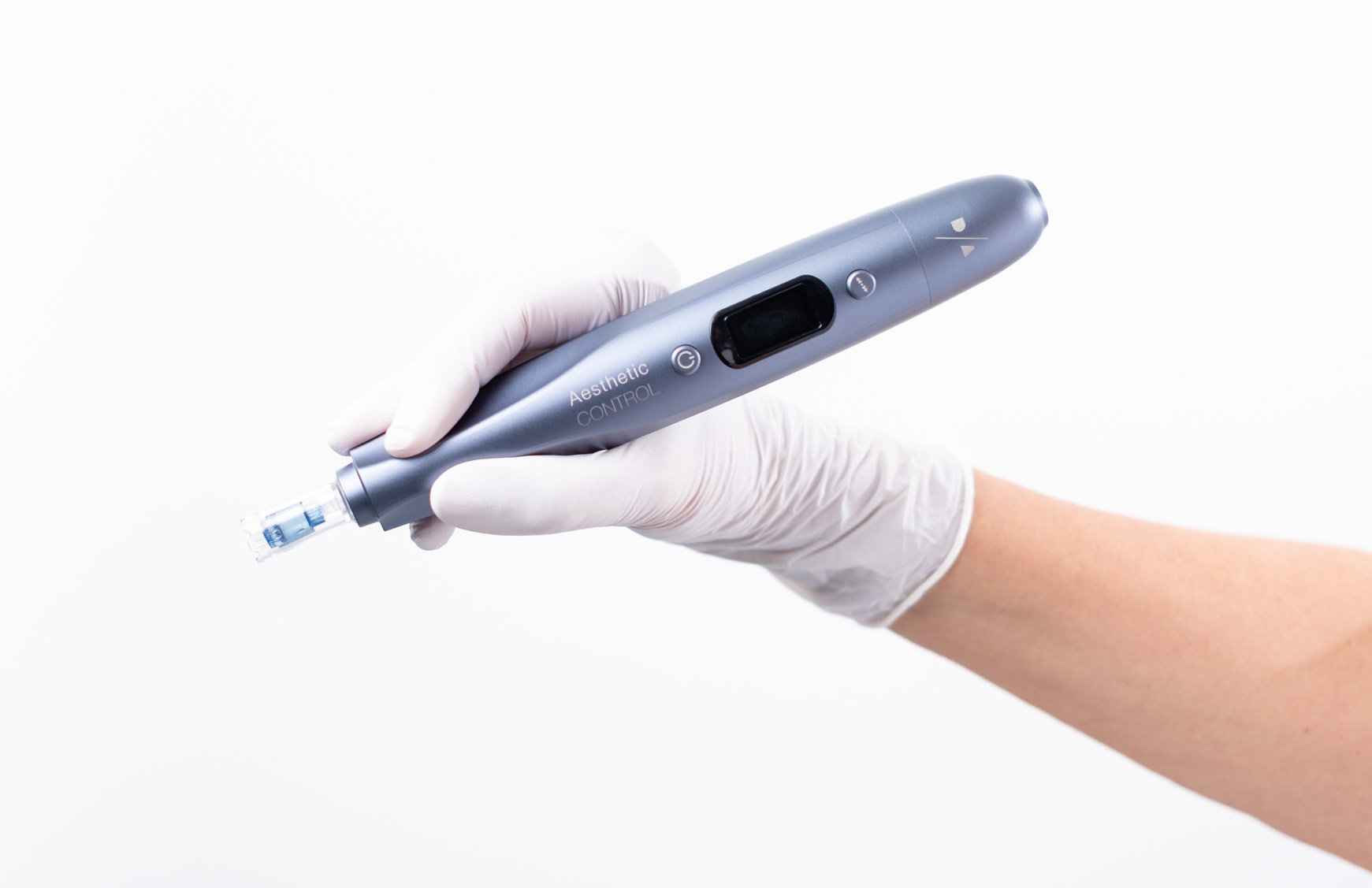
Rather than offering microneedling technology in isolation, D/A has developed a regenerative skin platform that brings together Matrixneedling™, PlasMatrix™, MatrixPeel™, sterile medical-grade actives, human-derived exosome technology, structured treatment protocols and practitioner education.
More than one million treatments worldwide have contributed to the development and refinement of the system over more than a decade. The result is a cohesive professional platform designed to give practitioners more control over how treatments are planned, performed and combined – with autologous exosomes now adding an especially exciting layer of personalisation.
Matrixneedling™ moves beyond collagen induction
Traditional microneedling works by creating controlled micro-injuries in the skin, initiating a repair response associated with new collagen production and tissue remodelling.
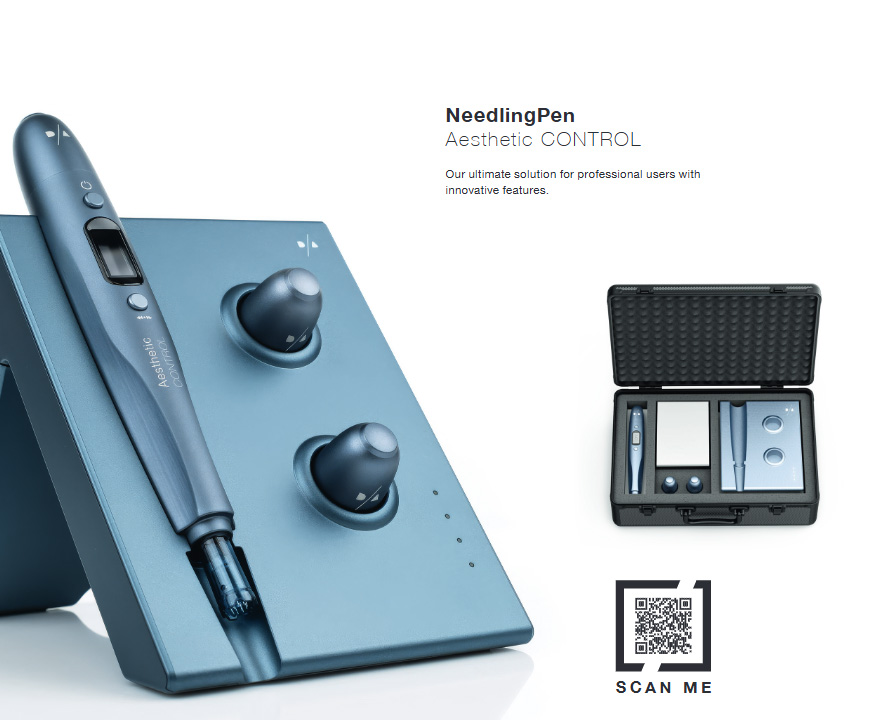
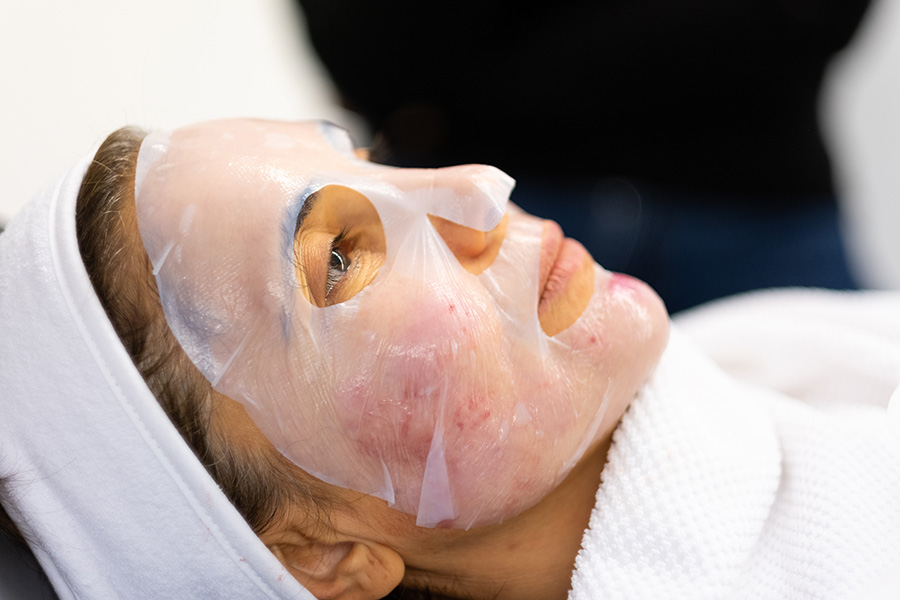
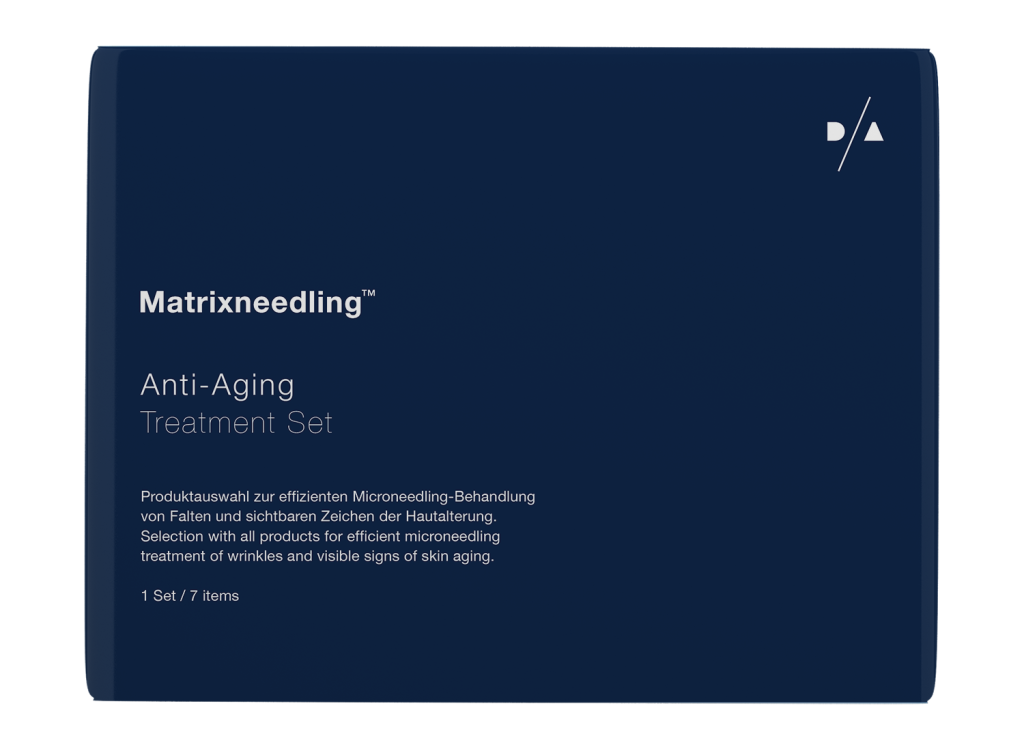
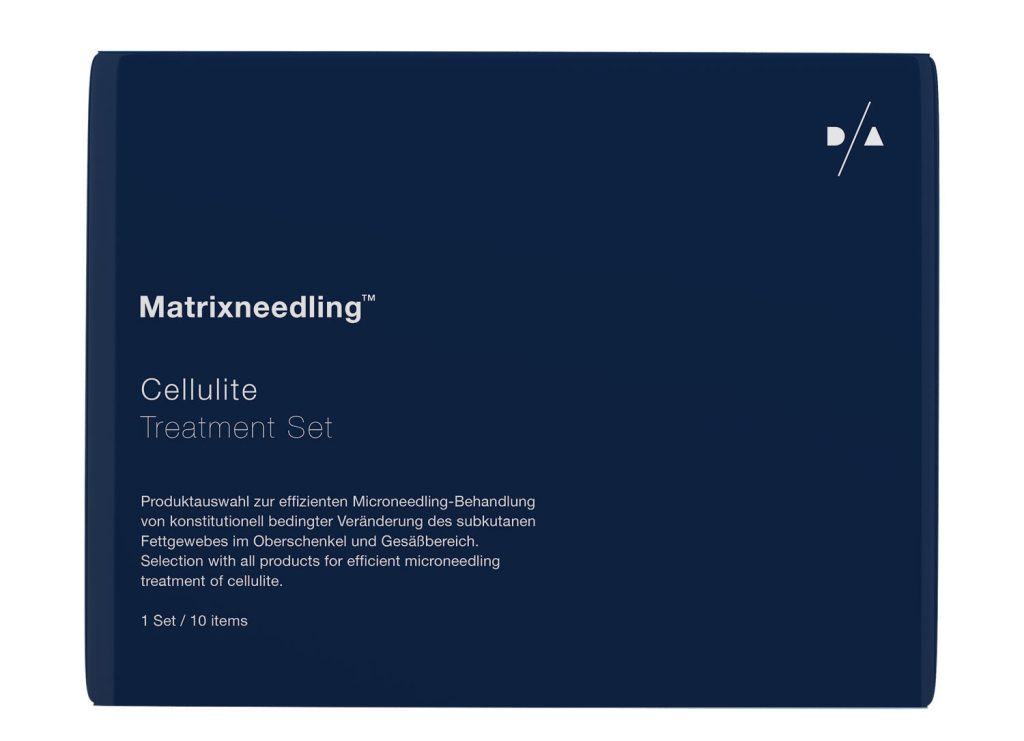
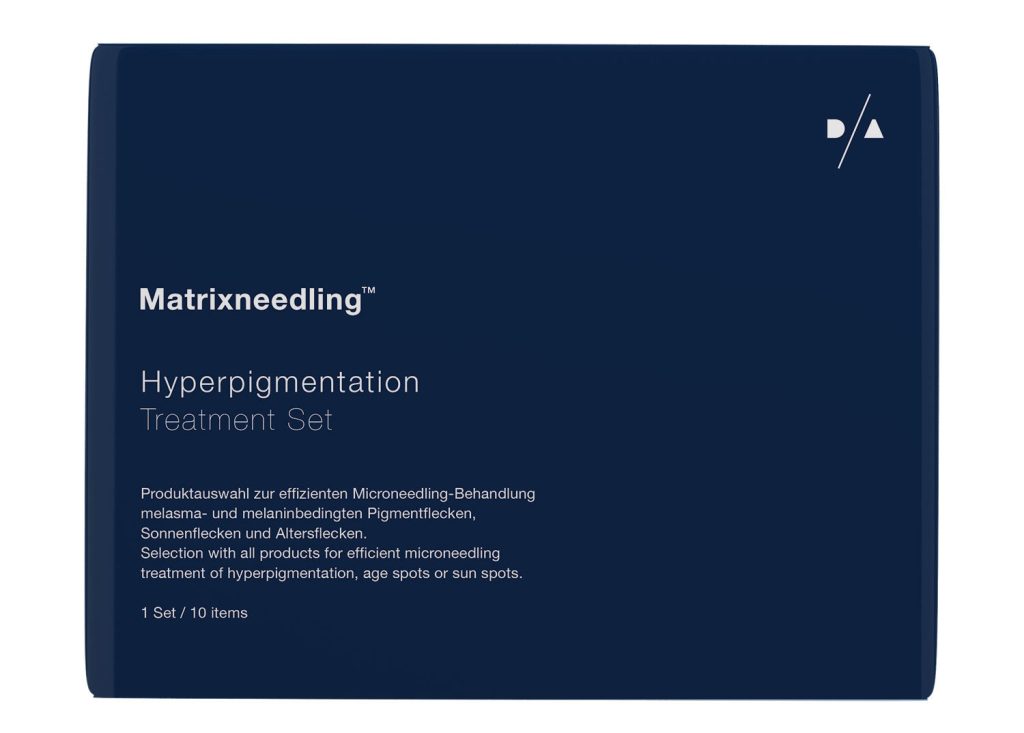
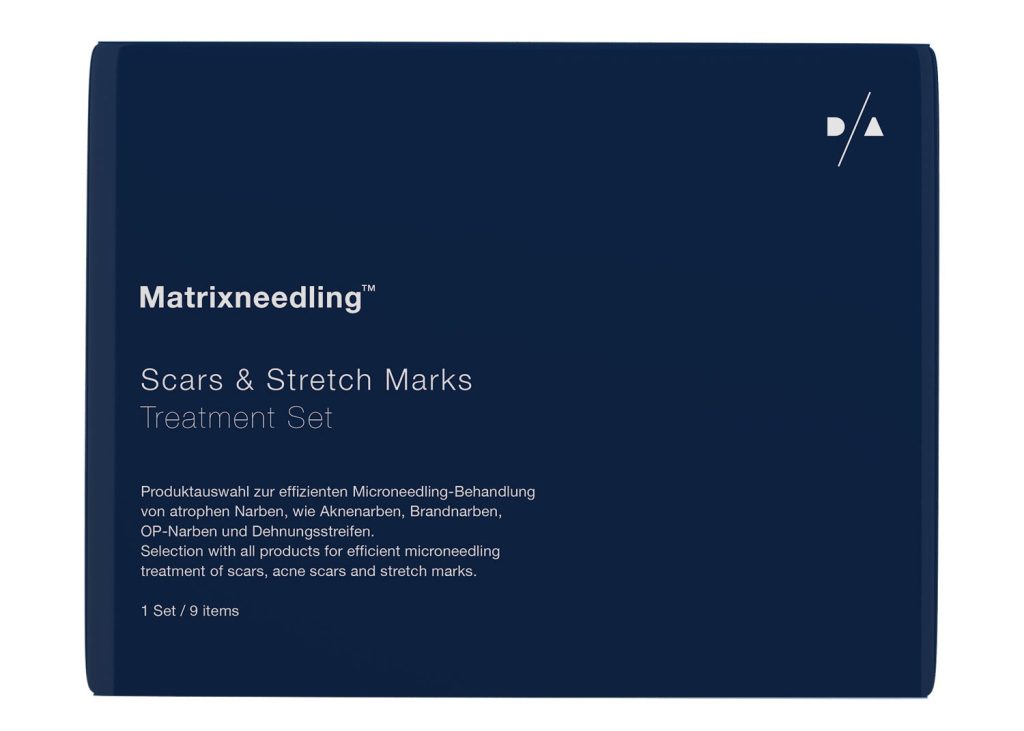
D/A’s Matrixneedling™ approach goes further by treating microneedling as a complete protocol rather than a single mechanical action. Each treatment pathway can combine specific needle depths, cartridge configurations, treatment frequencies, sterile active ingredients, regenerative biologics and post-treatment care.
These elements are selected according to the indication being treated, allowing practitioners to build structured protocols for concerns including skin ageing, acne and surgical scarring, stretch marks, hyperpigmentation, hair loss, uneven texture and overall skin rejuvenation.
For patients, this means the treatment is not simply a case of needling the skin and hoping for a general improvement. Each part of the protocol has a defined role, with the aim of producing more consistent and reproducible outcomes.
The patient’s own exosomes enter the picture
The standout development within D/A’s regenerative ecosystem is its use of autologous human exosomes.
Exosomes are microscopic extracellular vesicles that act as messengers between cells. They transport biological information in the form of growth factors, proteins, peptides, lipids, messenger RNA, microRNA and other cellular signalling molecules.
In simple terms, they help cells communicate. These messages are involved in processes such as tissue repair, wound healing, inflammation control and collagen remodelling – all of which are highly relevant when the skin is being encouraged to regenerate.
“Autologous” means the exosomes are obtained from the patient’s own biological material – they come from you. Using specialised extraction methods, the extracellular vesicles are isolated and incorporated into an advanced regenerative treatment protocol.
This makes the approach very different from simply applying a synthetic or plant-derived exosome product after microneedling.
Why autologous human exosomes matter
Because autologous exosomes originate from the patient, they offer perfect biological compatibility without donor-related concerns. They also contain a broad spectrum of naturally occurring human signalling molecules that the body’s own cells are equipped to recognise.
Within the skin, these exosomes are intended to deliver regenerative instructions to fibroblasts, immune cells and stem cells involved in the repair process. Fibroblasts are particularly important because they produce collagen, elastin and other components that give the skin its structure and resilience.
This human-specific cellular signalling is what makes the autologous approach so interesting. Instead of introducing a generic source of extracellular vesicles, the protocol draws on biological material unique to the individual patient.
D/A’s specialised extraction and purification processes are designed to preserve the biological activity of the exosomes while supporting consistency and safety within a professional treatment setting.
How the D/A autologous exosome protocol works
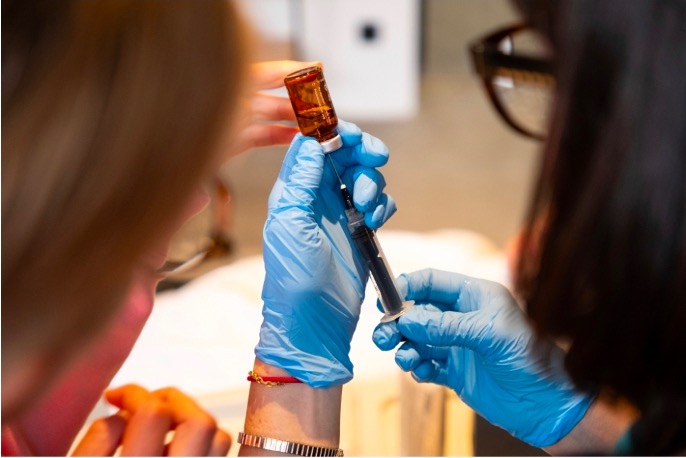
D/A’s Human Autologous Exosome (HAE) process is distinct from PlasMatrix™, its platelet-rich plasma (PRP) programme. Although both begin with the patient’s own blood, HAE uses a specialised differential centrifugation process developed in conjunction with D/A Works in Stuttgart, Germany. The device has settings designed for preparing the delicate extracellular vesicles and also has a separate PRP setting.
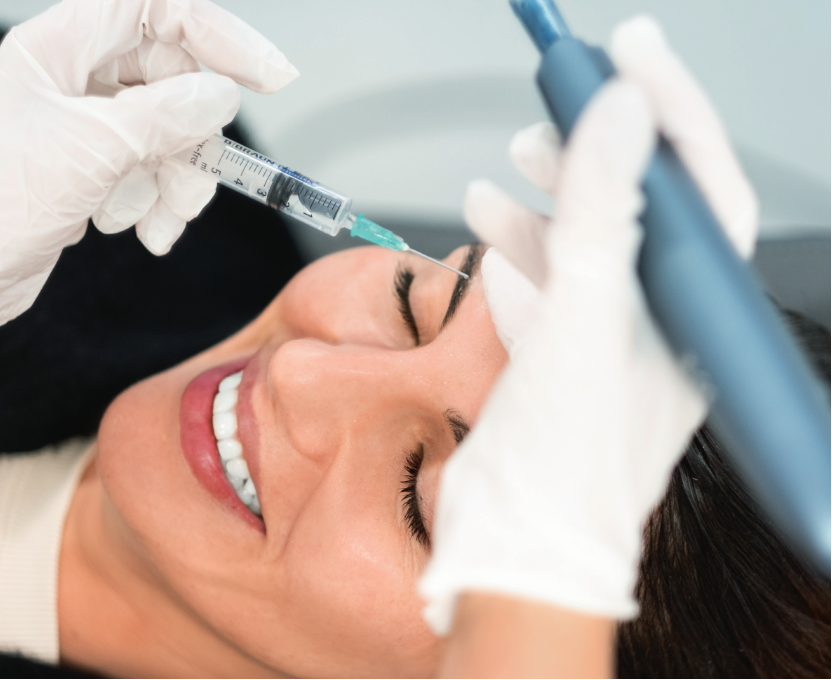
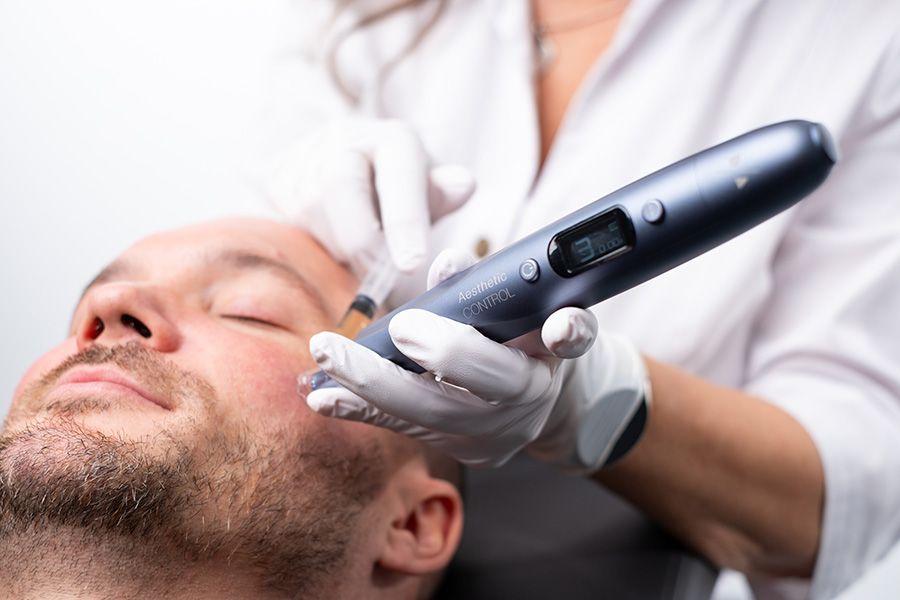
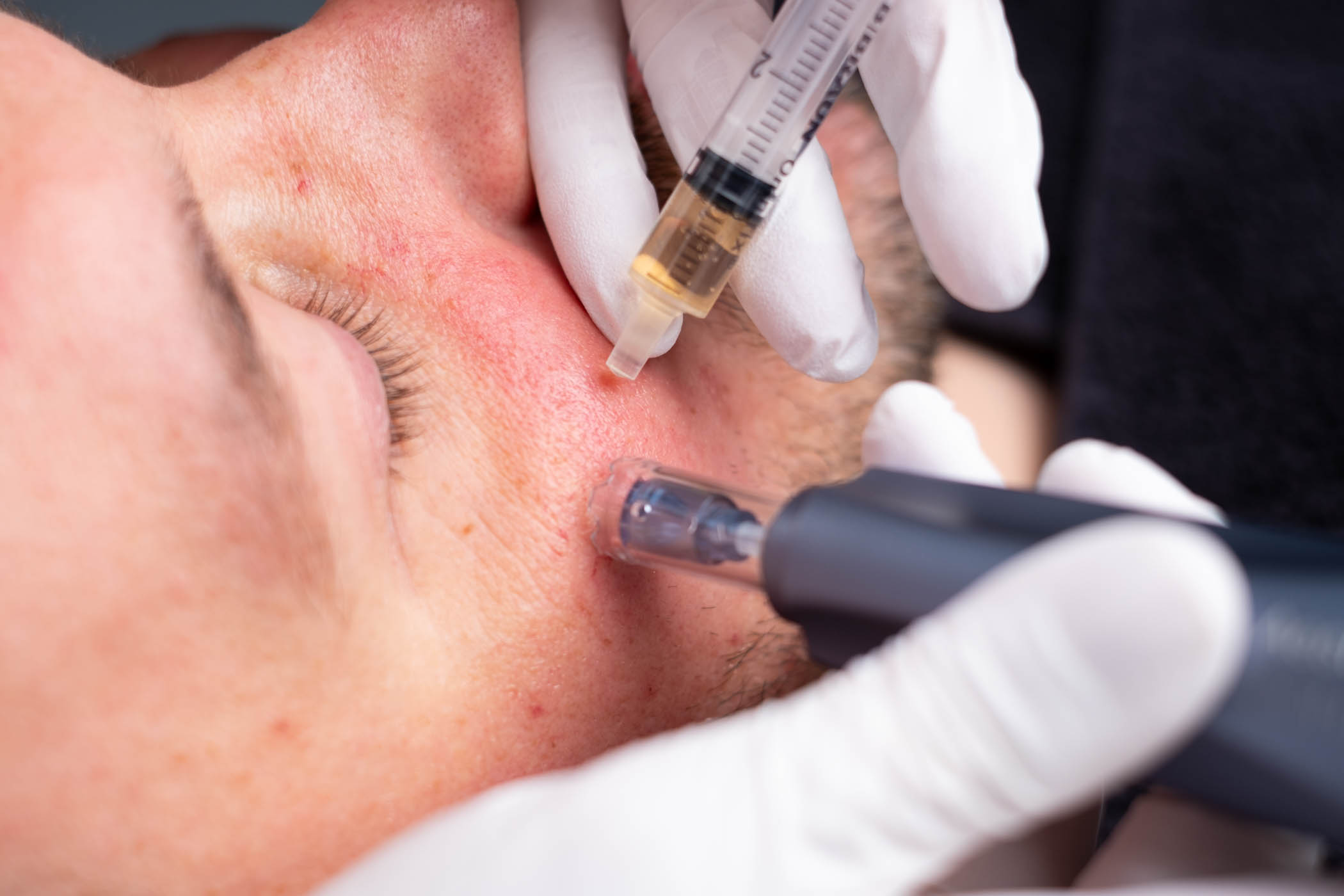
After processing, the preparation passes through an Exosome Press. Depending on the patient’s needs, a practitioner may use the resulting liquid by injection or incorporate it into a Matrixneedling™ treatment. Matrixneedling™ provides controlled stimulation of the skin, while the autologous preparation supplies the patient’s own extracellular vesicles.
D/A designed the HAE process to bring the patient’s own extracellular vesicles into a more personalised approach to skin rejuvenation. Its intended aims include supporting cellular communication, collagen remodelling, skin quality and recovery.
Where PlasMatrix™ fits in the ecosystem
PlasMatrix™ is D/A’s platelet-rich plasma (PRP) programme. PRP is prepared from the patient’s own blood and contains platelets that release growth factors involved in the body’s repair processes. Within D/A’s ecosystem, PlasMatrix™ can be incorporated into an individually planned regenerative treatment, including a Matrixneedling™ protocol.
The distinction is in how the patient’s blood is processed and what the practitioner prepares for treatment. PlasMatrix™ is the PRP pathway; HAE uses a specialised process to prepare an autologous extracellular vesicle treatment. Both sit within D/A’s wider regenerative offering, but PlasMatrix™ is not a required step in HAE.
Human signalling versus synthetic alternatives
Not every product described as an “exosome” treatment works in the same way.
Synthetic and plant-derived vesicles may provide benefits such as hydration and anti-inflammatory support, but they do not contain the complete spectrum of naturally occurring human regenerative signalling molecules found within autologous human exosomes.
They may therefore function more as carriers or delivery vehicles than as true human cellular messengers.
For D/A, this distinction is central. Autologous exosomes use the patient’s own naturally occurring human signalling pathways, making them a more biologically relevant partner for regenerative microneedling.
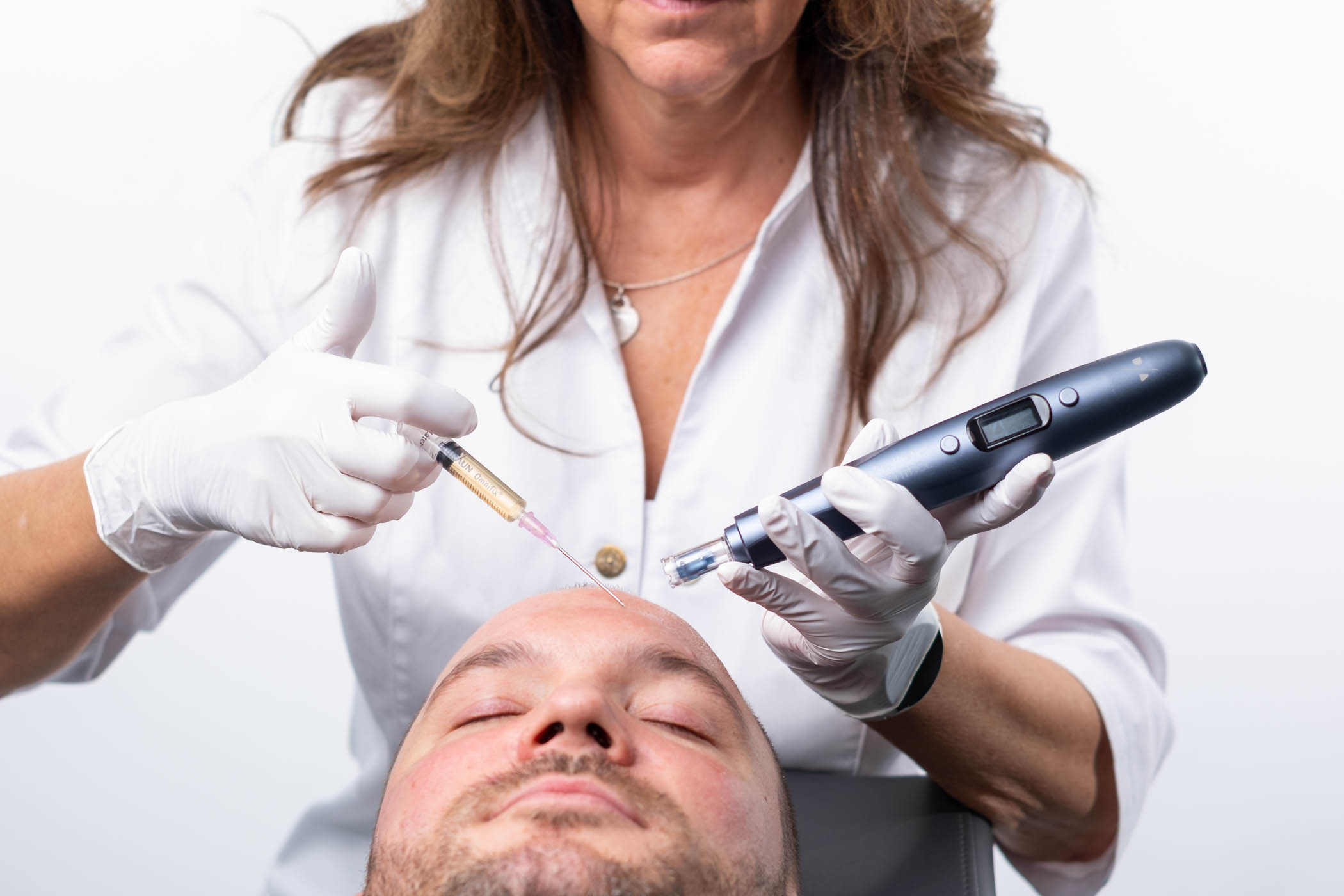
Research into human-derived exosomes is continuing to grow, with published studies showing that microneedling combined with human-derived exosomes can deliver better outcomes than microneedling alone.
What does the human research show?
A 2026 clinical study by Kang and colleagues examined autologous blood-derived extracellular vesicles in 25 people aged 40–59. Participants received one intradermal facial treatment, with objective skin measurements taken after five days and three weeks. The researchers reported improvements across measures including wrinkles, lifting, hydration, elasticity, barrier function, tone, radiance, texture and pore size. No adverse reactions were reported during the study. The study examined an autologous EV preparation; it was not a clinical trial of D/A’s HAE process.
A 2026 systematic review by Flores Rodríguez and colleagues brought together 19 human studies of exosome-based skin rejuvenation. It found encouraging short-term results for hydration, elasticity, wrinkles, pigmentation, pores and overall appearance. The studies used differing preparations and methods, so the review does not establish that every exosome treatment – or D/A’s particular process – produces the same results.
Sterile actives with specific jobs
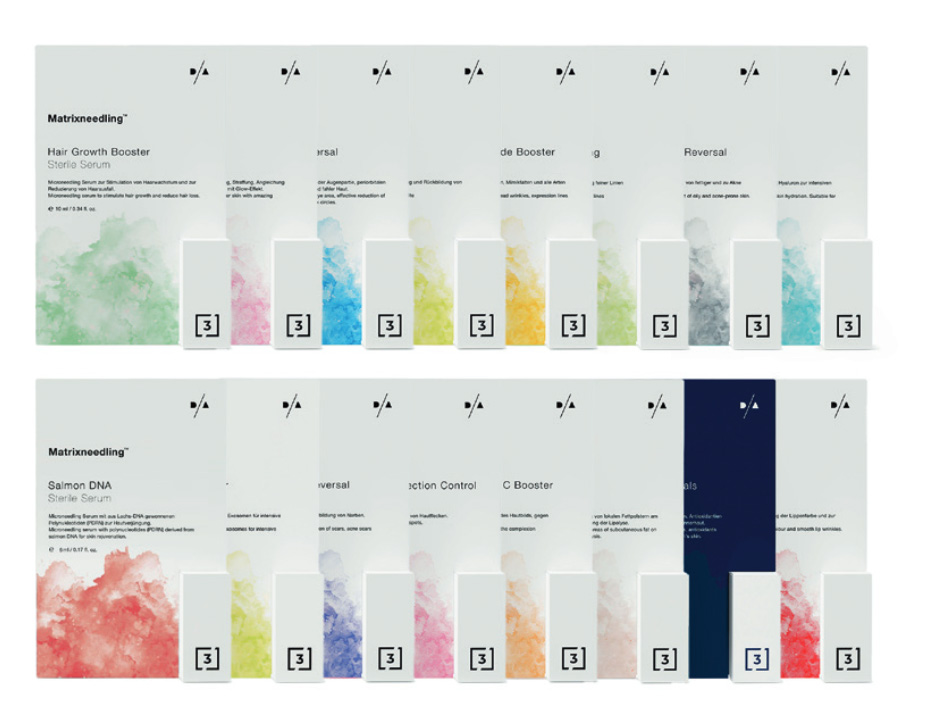
The wider D/A ecosystem also includes an extensive collection of sterile, medical-grade formulations developed specifically for professional microneedling-assisted delivery.
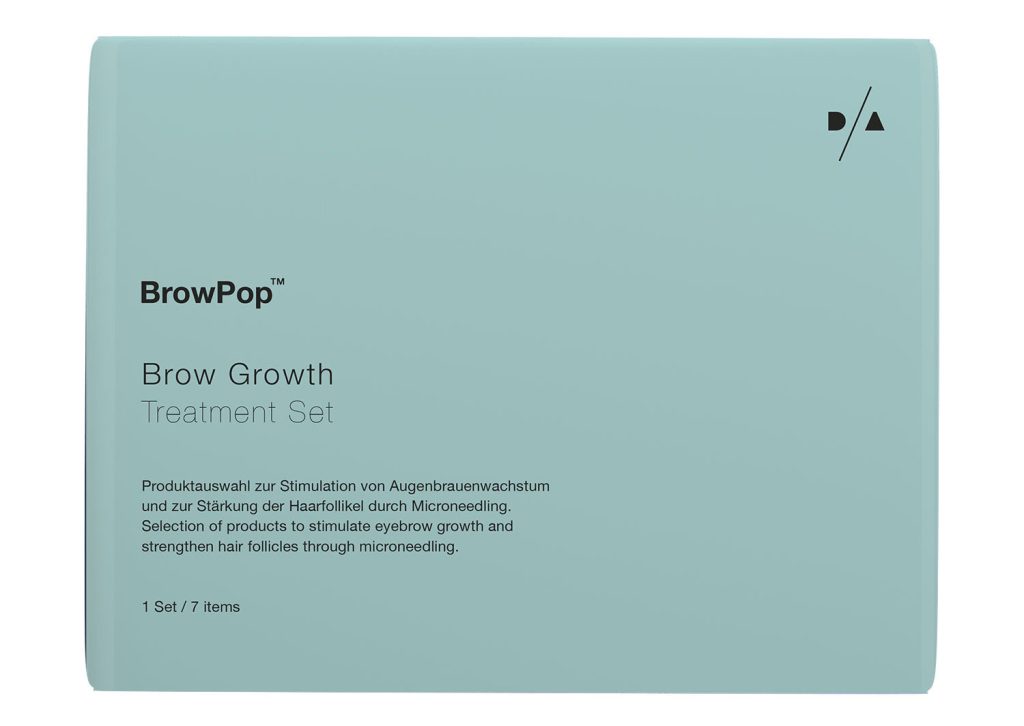
These include hyaluronic acid, peptides, Argireline®, growth factors, glutathione, vitamin complexes, scar-repair formulations and hair-growth solutions.
Rather than relying on a general cosmetic serum, practitioners can select sterile active ingredients according to the patient’s concern and the purpose of the treatment. This allows a hydration protocol to look different from one designed for scarring, pigmentation, hair loss or age-related changes.
MatrixPeel™ adds another treatment layer
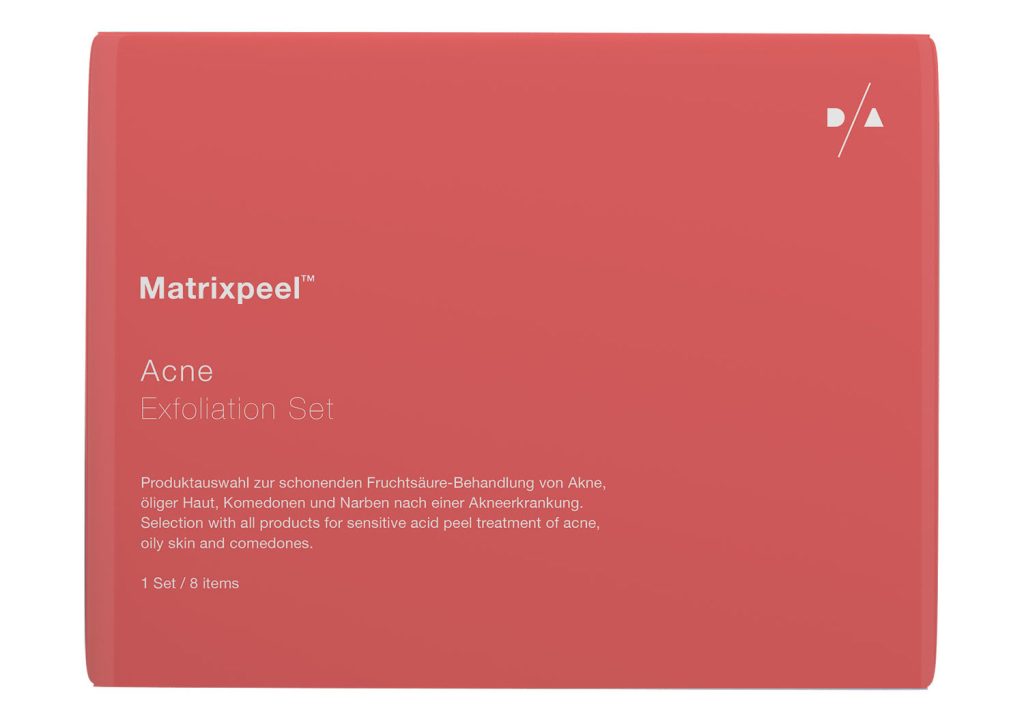
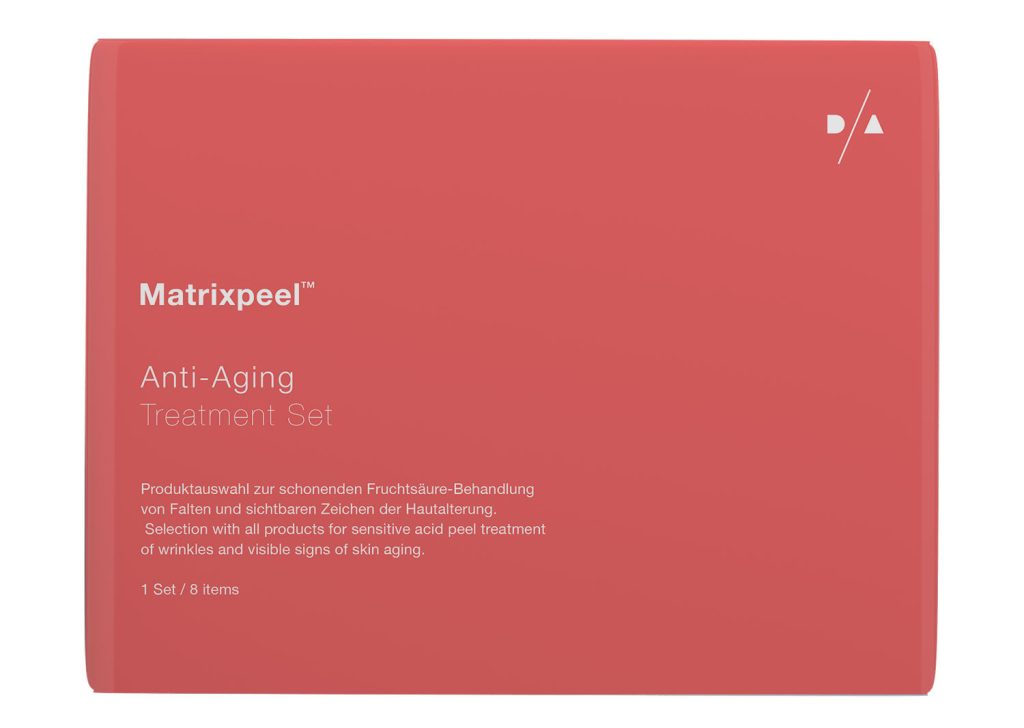
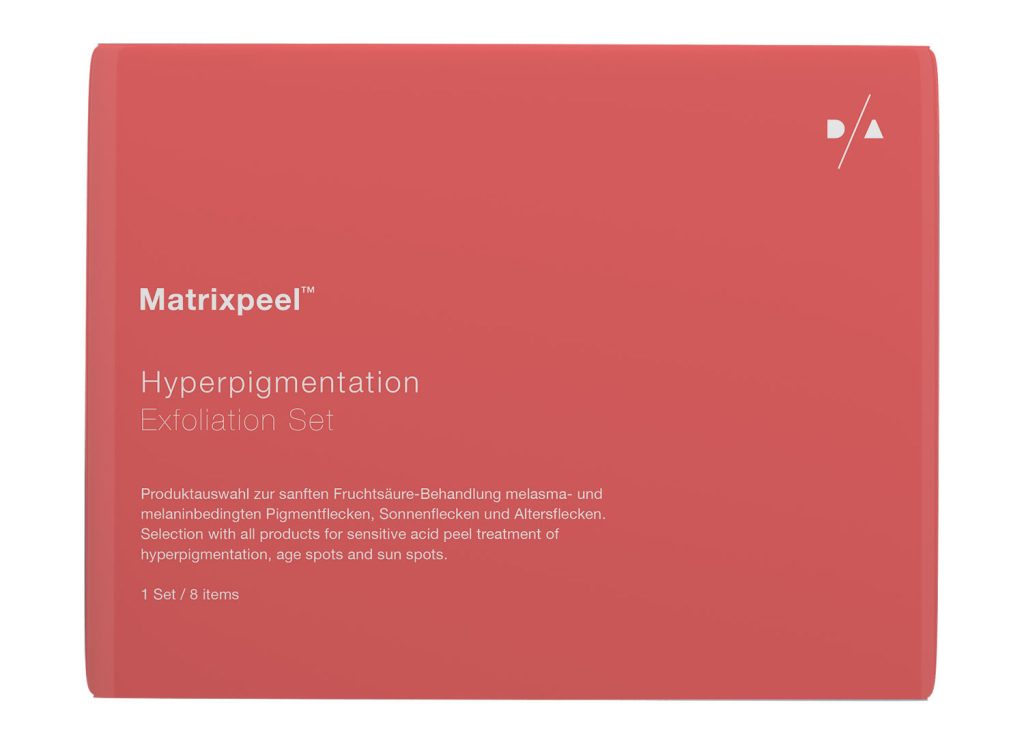
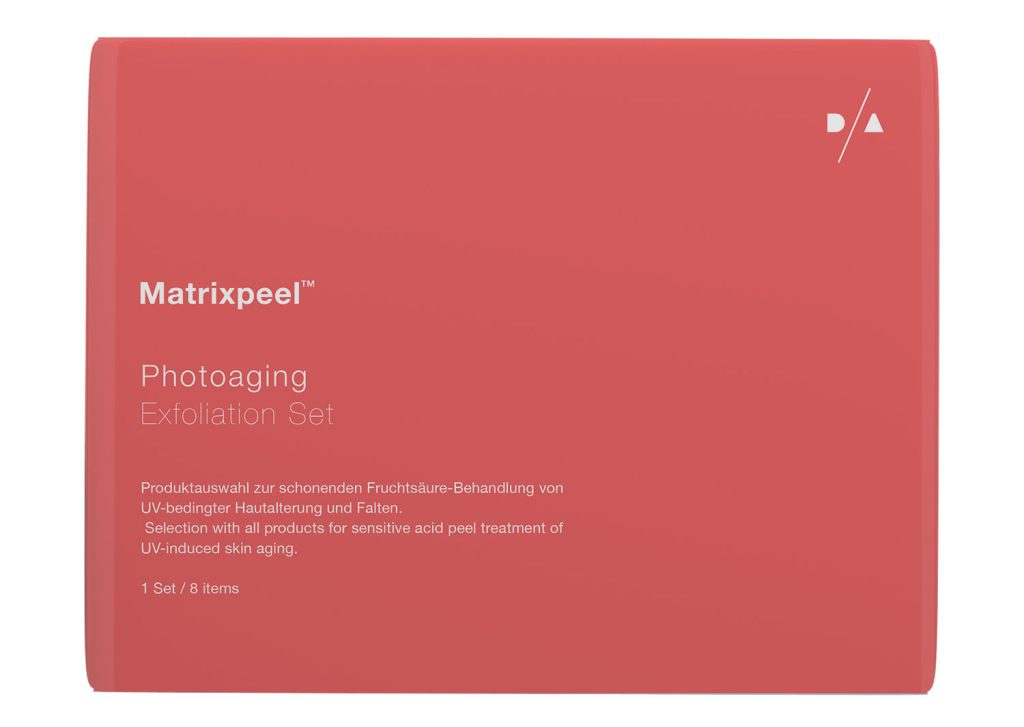
MatrixPeel™ extends the system further by combining microneedling with corrective peel formulations and fruit-acid technologies.
This allows the practitioner to work across both epidermal and dermal concerns within a layered treatment plan. Applications include pigmentation management, acne, uneven texture, skin renewal and more comprehensive rejuvenation protocols.
It is another example of the ecosystem approach – rather than expecting one device or technique to do everything, D/A gives practitioners different tools that can be brought together around the patient’s needs.
Built for consistency in clinical practice
The best technology still depends on how it is used. D/A addresses operator variability through structured protocols, treatment planners, practitioner education, online learning and ongoing clinical support.
The system also incorporates sterile single-use cartridges, precision-manufactured needles, sterile consumables and patented anti-backflow membrane technology. Its devices are manufactured according to European Class IIb medical-device standards.
These features support the consistency, hygiene and reproducibility expected within professional aesthetic practice – particularly when working with advanced regenerative protocols and autologous biological material.
One platform with a much bigger purpose
D/A is not positioning Matrixneedling™ as simply another microneedling device. It is presenting practitioners with a joined-up regenerative skin ecosystem in which the technology, sterile actives, biological material, corrective peels, safety systems and clinical education are designed to work together.
Autologous exosomes sit at the most personalised end of that ecosystem. By using extracellular vesicles derived from the patient’s own biological material and incorporating them into a practitioner-led treatment that may include Matrixneedling™, the protocol brings mechanical stimulation and human cellular signalling into the same treatment plan.
For practitioners looking to expand beyond traditional collagen induction, it introduces a more individualised and biologically sophisticated way to approach skin regeneration – all within one structured professional platform.
D/A Matrixneedling™ and its professional regenerative protocols are available in South Africa through Blue Sky Distribution.
Contact Blue Sky Distribution
For more information about D/A Matrixneedling™ and its professional regenerative protocols in South Africa, contact Blue Sky Distribution International.
Website: www.blueskyinternational.co.za
Email: orders@blueskyinternational.co.za
Phone: +27 73 053 8830
Follow Blue Sky International South Africa: