*Sponsored post: GA Active Wholesalers*
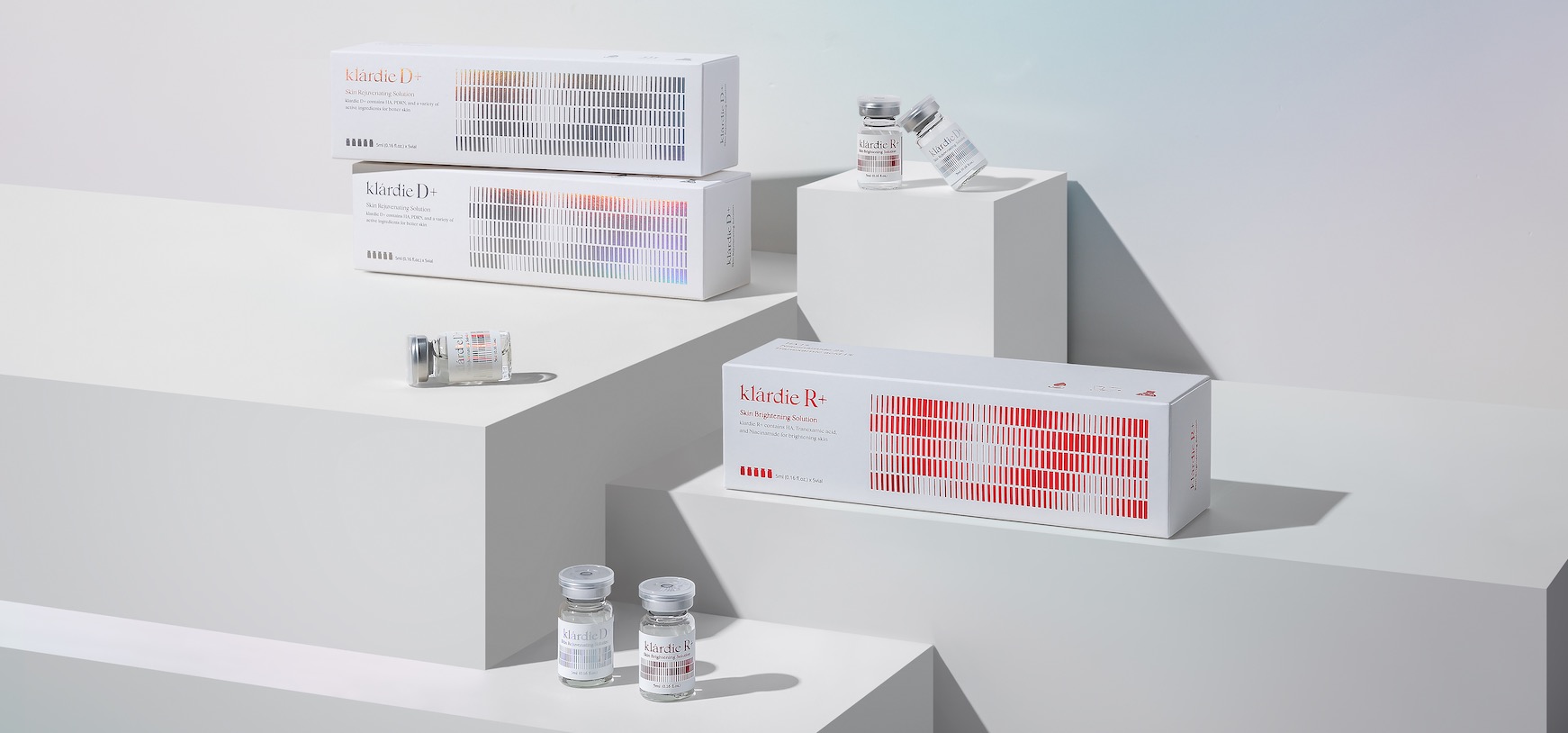
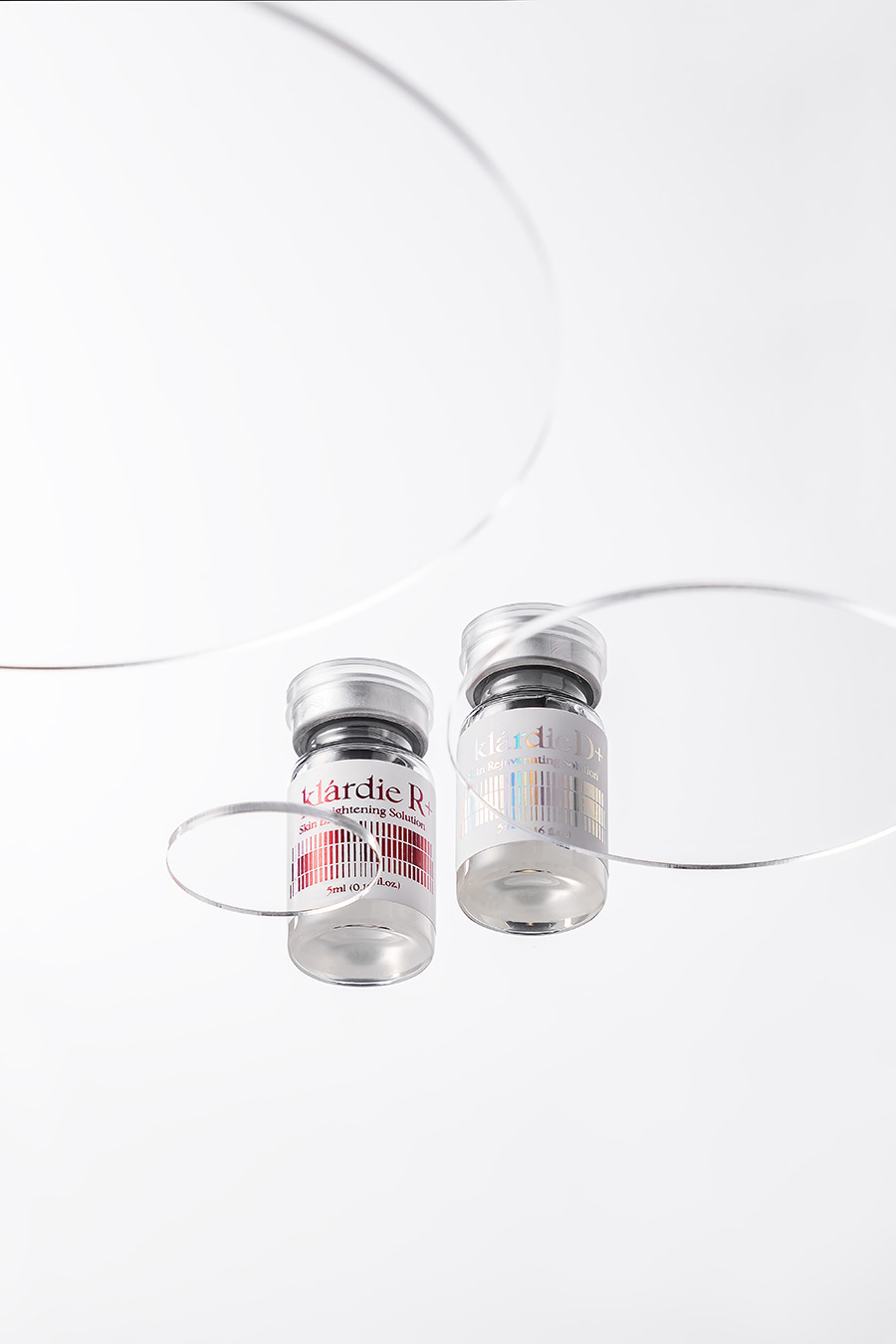
Clinical K-Beauty brings Korean skincare innovation into professional aesthetic treatment protocols. Klardie R+ and D+ may sit side by side in the same professional range, but they have been formulated with two different skin priorities in mind. R+ focuses on brightness, pigmentation and a more even-looking complexion, while D+ is centred on hydration, elasticity and rejuvenation. Developed by Korean biotechnology company HansBioMed and available in Southern Africa through GA Active Wholesalers, these professional-use topical solutions form part of selected aesthetic treatment protocols – they are not injectable skin boosters.
“Skin booster” has become a broad term in aesthetic medicine. Some skin boosters are injected, while others, including Klardie R+ and D+, are topical professional solutions applied with or alongside procedures that help the active ingredients reach the skin more effectively.
Both Klardie formulas contain hyaluronic acid and PDRN, but their supporting ingredients give them different jobs. R+ is the brightening and pigmentation-focused option, while D+ is intended to improve hydration, elasticity and the overall appearance of tired or weakened skin.
The Quickest Way To Tell Them Apart
The simplest place to begin is with the patient’s main concern.
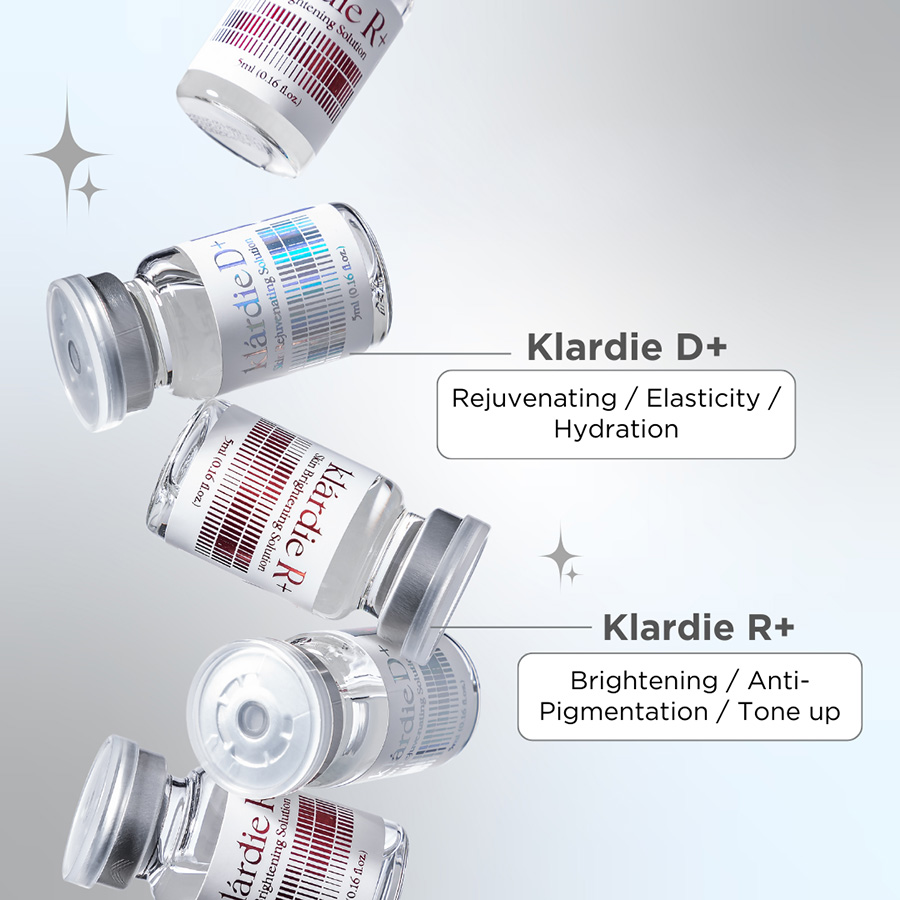
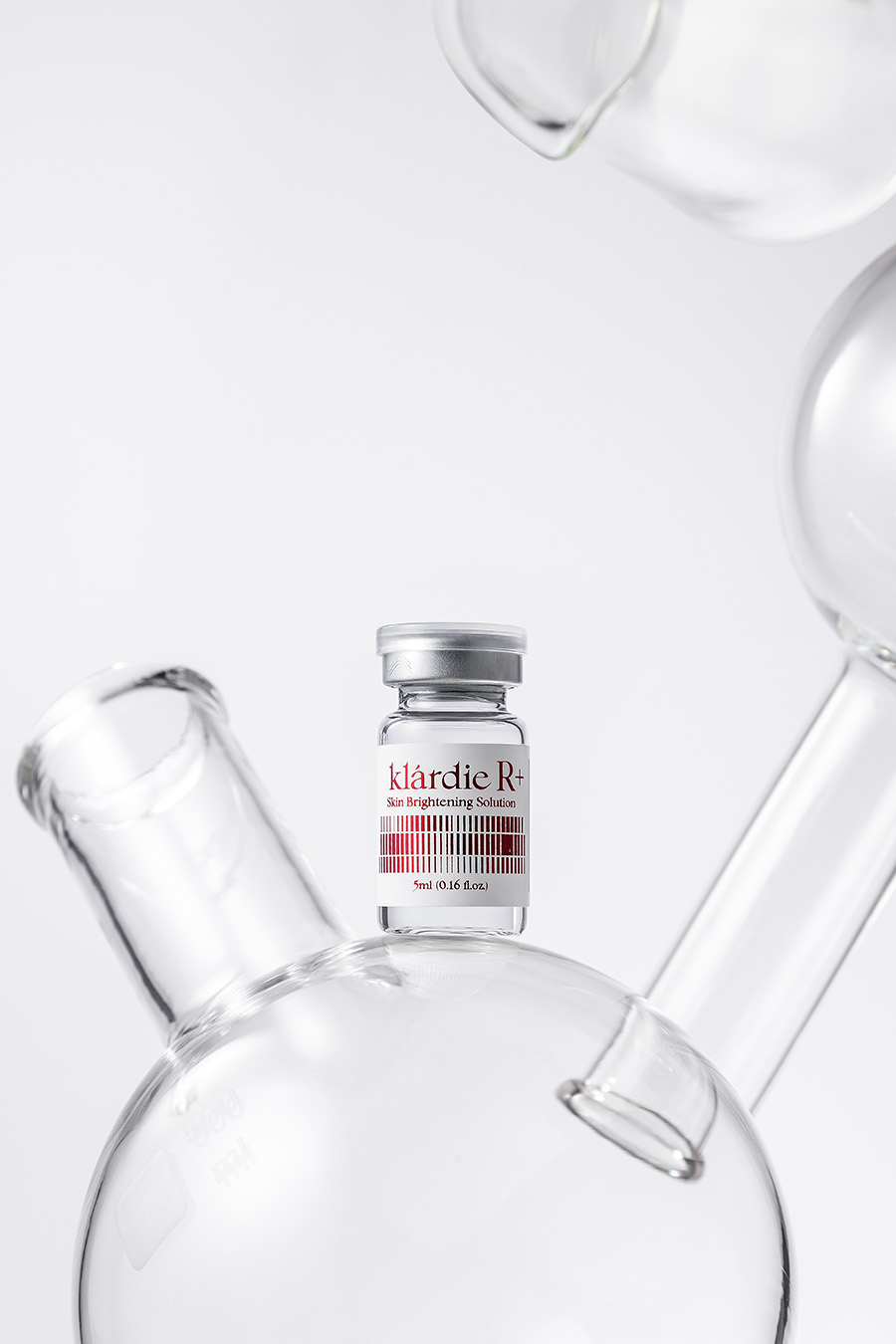
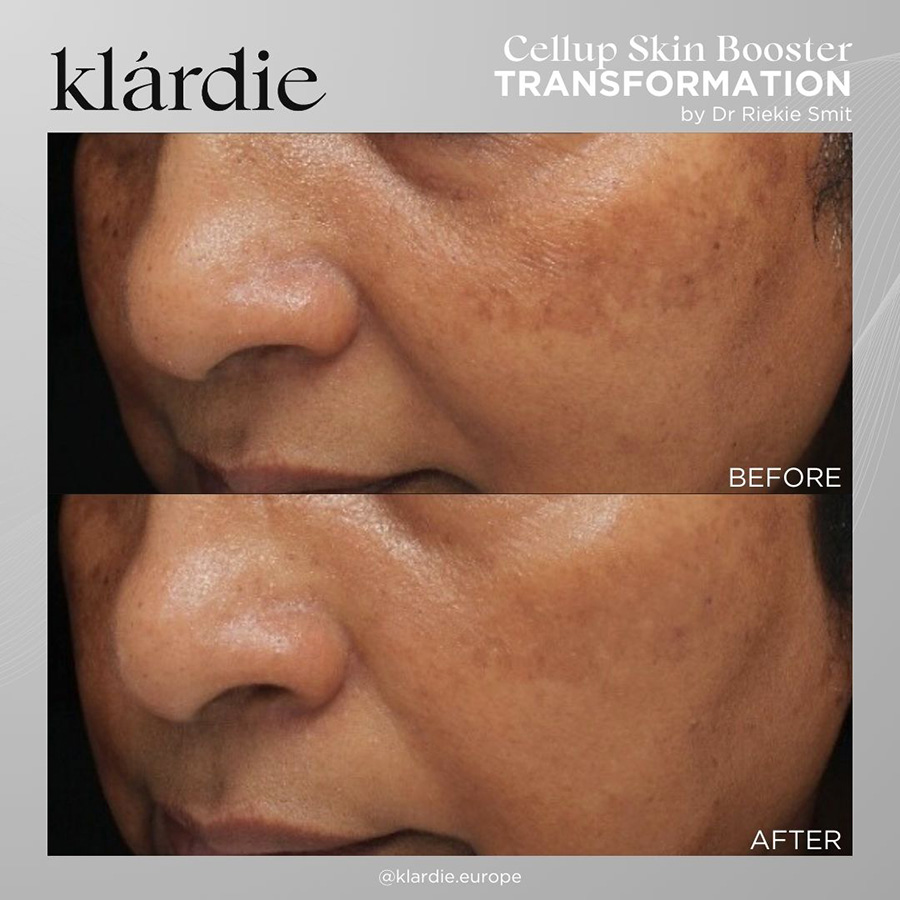
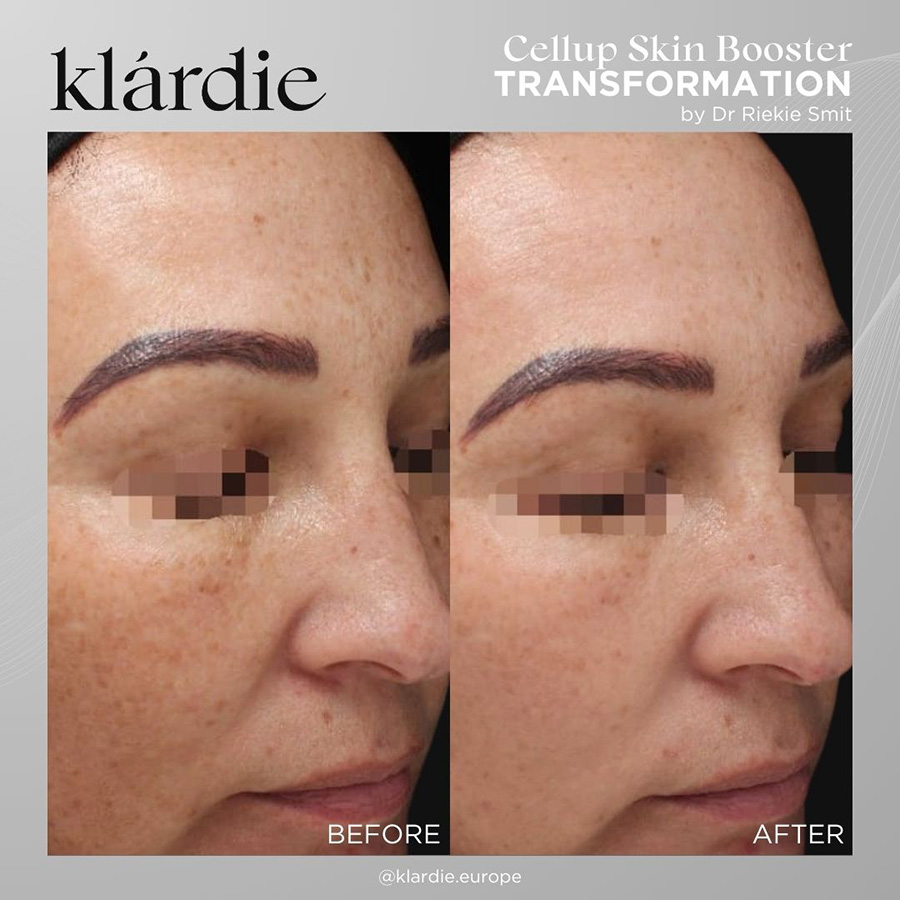
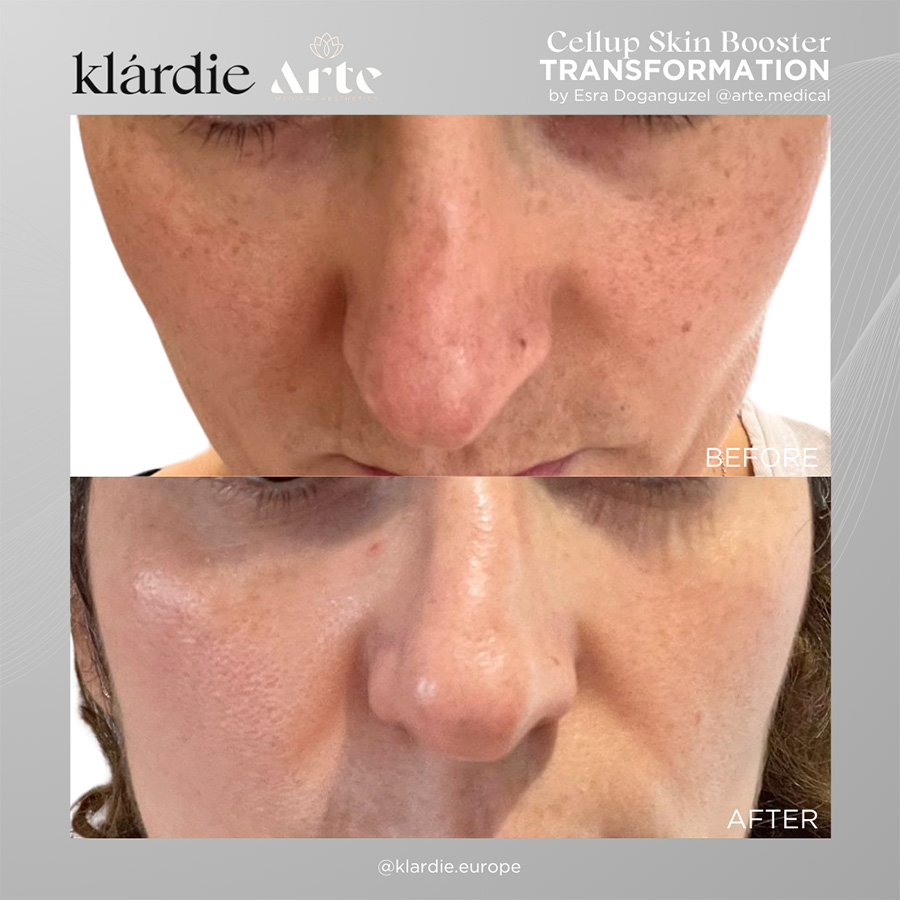
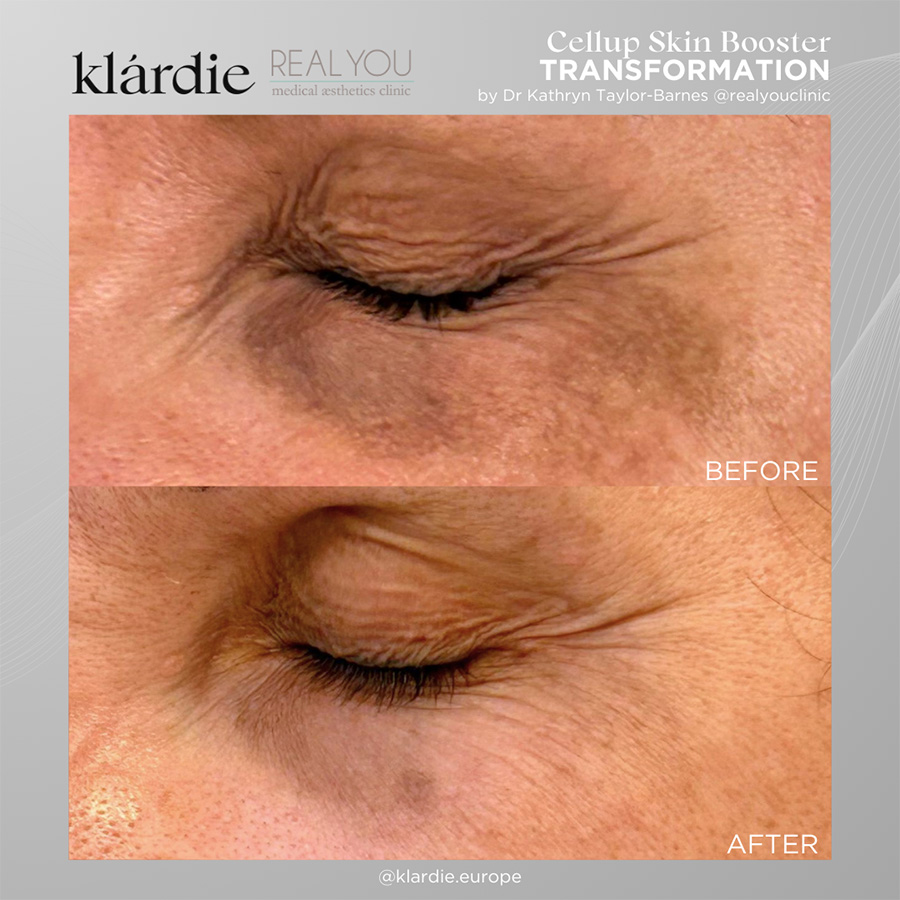
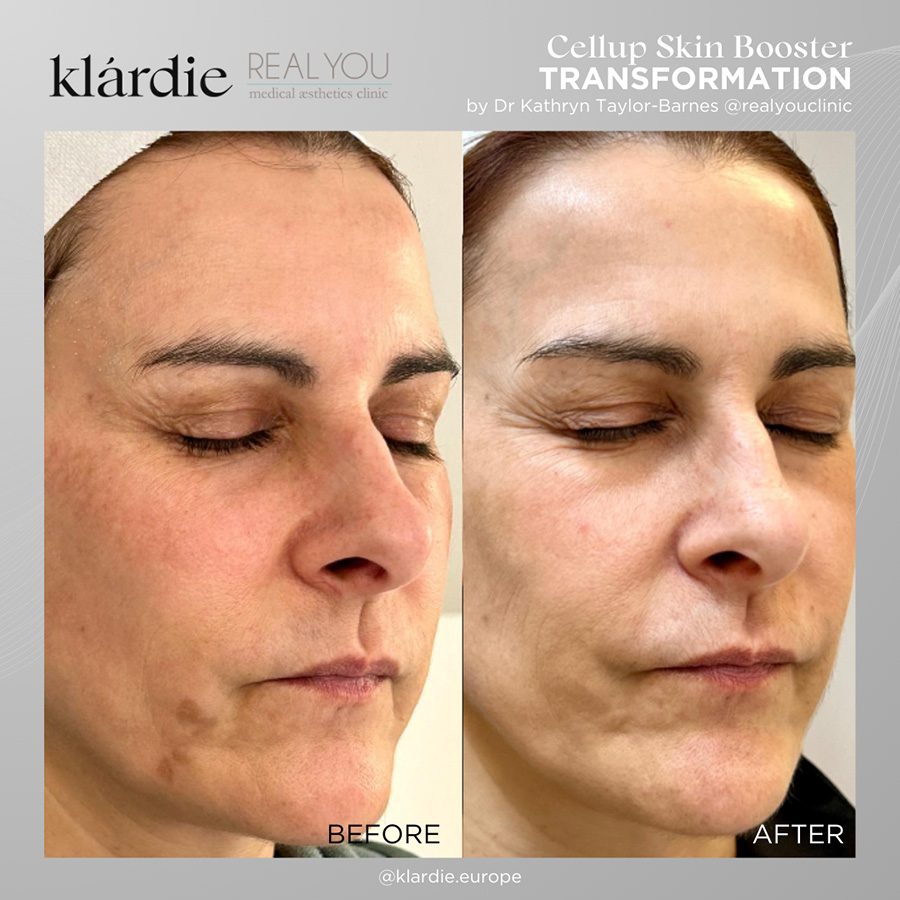
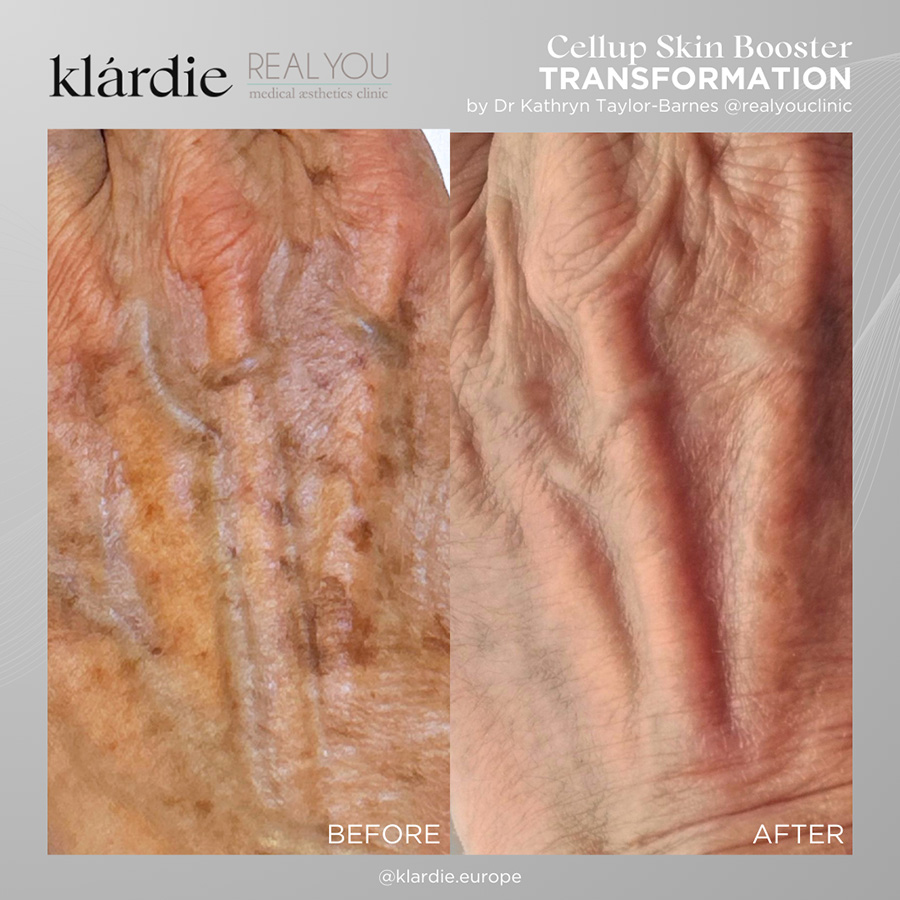
Klardie R+ is intended for dullness, visible pigmentation, blemishes and uneven-looking skin tone. The aim is brighter, clearer and more even-looking skin.
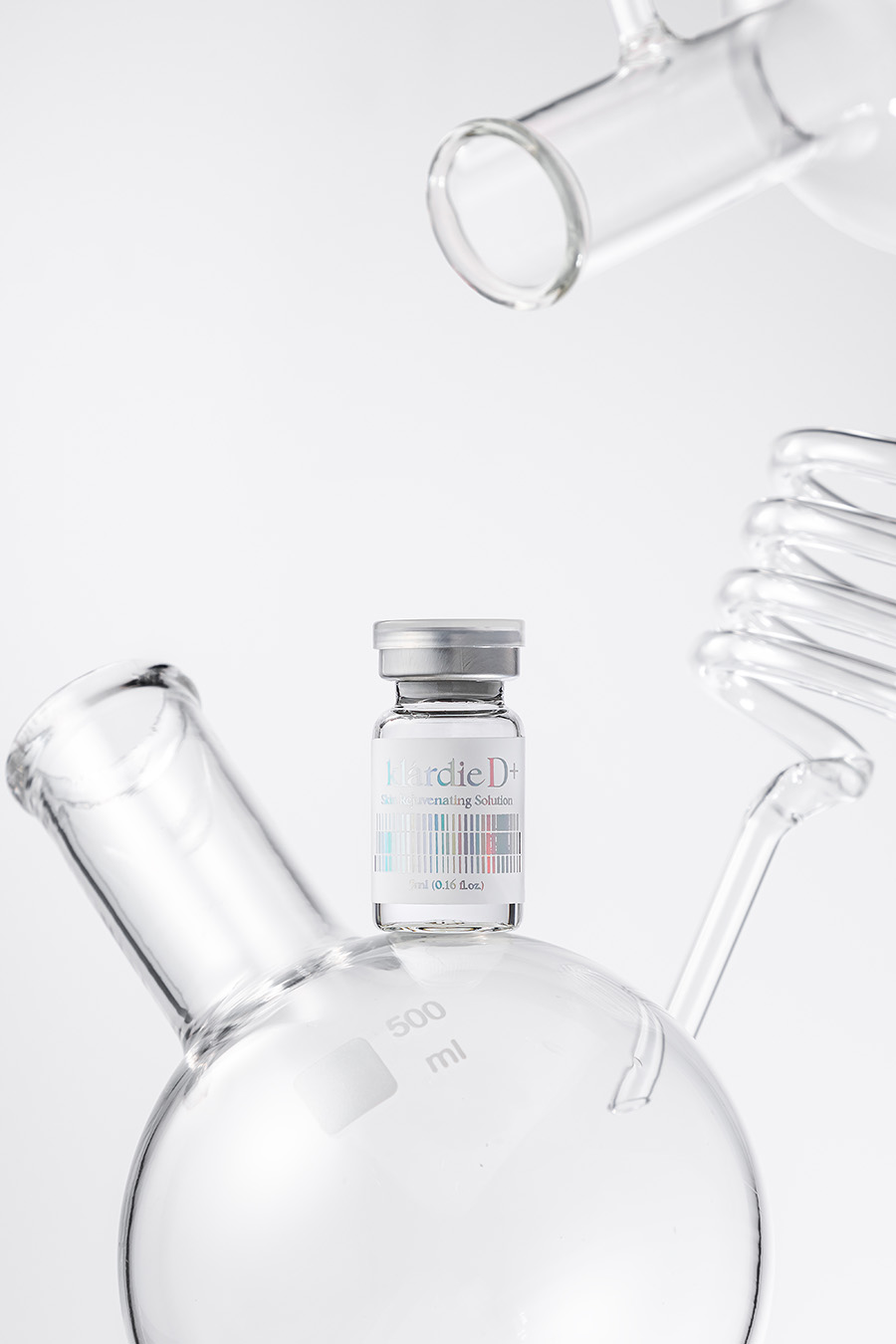
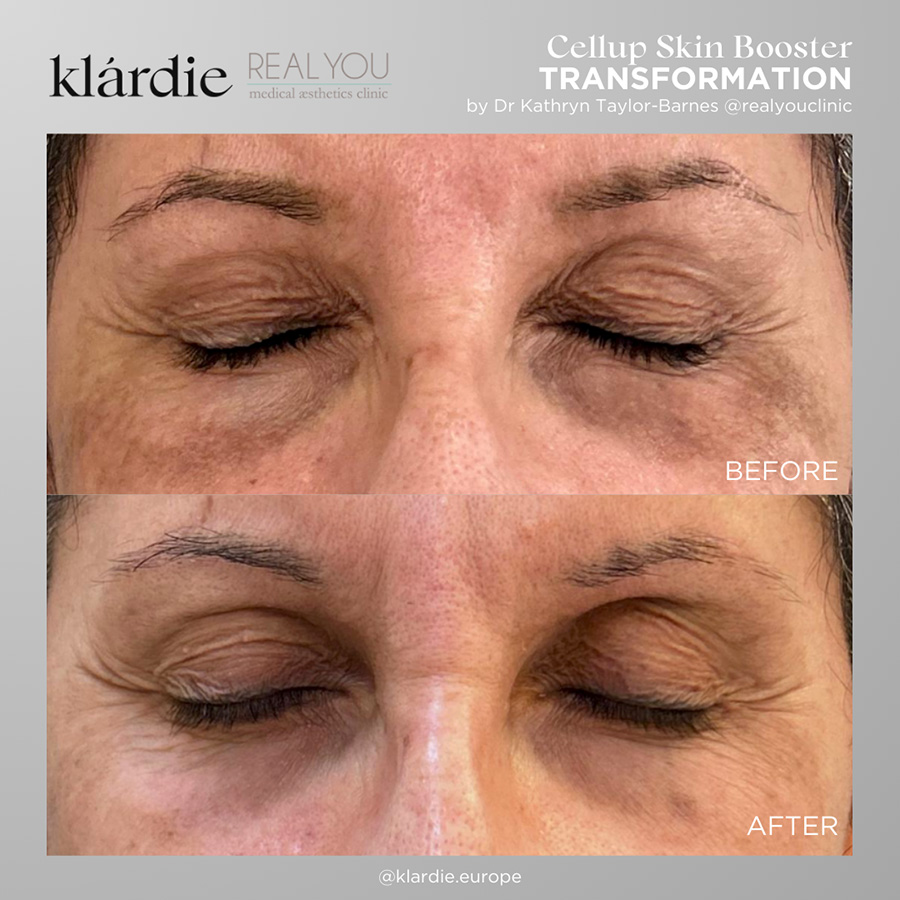
Klardie D+ is designed for skin that feels dry or rough, looks tired or has lost some of its firmness and bounce. Its focus is deeper hydration, improved elasticity and a smoother, healthier-looking complexion.
A practitioner may select one solution or use both within the same treatment plan when pigmentation, dehydration and changes in skin quality overlap.
Two Forms Of Hyaluronic Acid
Hyaluronic acid occurs naturally in the skin and is valued for its ability to attract and retain water. As the skin ages, it can become less effective at maintaining moisture, contributing to dryness, rougher texture, fine lines and reduced suppleness.
Klardie R+ and D+ combine low molecular weight and high molecular weight hyaluronic acid. According to the product information, the lower molecular weight form supports quicker diffusion, while the higher molecular weight form helps retain moisture for longer. Together, they are intended to provide a faster hydration boost with more sustained moisture support.
This is one of the main differences between R+ and D+ and Klardie’s earlier Cellup Ruby and Dia solutions, which contained semi-cross-linked hyaluronic acid. The newer Quick Booster formulas use the low- and high-molecular-weight combination and increase the vial size from 3 ml to 5 ml.
For the patient, the intended result is skin that feels better hydrated and looks fresher, smoother and more comfortably plumped.
The Role Of PDRN
Both solutions also contain PDRN, or polydeoxyribonucleotide.
PDRN consists of purified DNA fragments derived from salmon and is used in regenerative aesthetic formulations because of its biological compatibility with human tissue.
It is associated with skin-repair processes, growth-factor activity and the regulation of inflammatory signalling. In Klardie R+ and D+, it complements the hydrating action of hyaluronic acid while supporting the skin’s recovery and overall quality.
Klardie D+ For Hydration And Rejuvenation
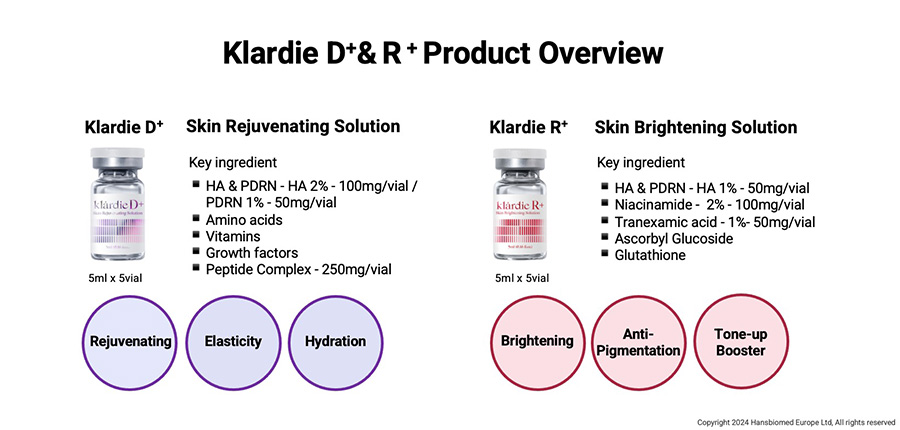
Klardie D+ contains 2% hyaluronic acid and 1% PDRN, together with peptides, growth factors, vitamins and amino acids.
The formula is intended for dry, dull, rough or weakened-looking skin that needs more than surface hydration. Its ingredients support moisture retention, elasticity and skin renewal, with the aim of leaving the complexion looking smoother, firmer, healthier and more refreshed.
HansBioMed’s laboratory testing found that D+ supported the activity of human skin fibroblasts – the cells involved in producing structural components such as collagen. The testing also recorded positive changes in collagen-related markers and inflammatory signalling.
Klardie R+ For Pigmentation And Uneven Tone
Klardie R+ contains 1% hyaluronic acid and PDRN together with four ingredients selected for their complementary brightening and antioxidant roles.
Tranexamic acid 1% is used in pigmentation-focused skincare to help interrupt pathways involved in melanin production and improve the appearance of discolouration.
Niacinamide 2%, a form of vitamin B3, helps reduce the transfer of pigment to surrounding skin cells. It also supports the skin barrier and a more even-looking complexion.
Ascorbyl glucoside is a stable vitamin C derivative that provides antioxidant support and promotes brighter-looking skin.
Glutathione is an antioxidant peptide that helps defend against oxidative stress while supporting the formula’s brightening focus.
Together, these ingredients are intended to help skin appear clearer, more luminous and more even, while the hyaluronic acid and PDRN support hydration and general skin quality.
Laboratory testing found that R+ substantially reduced the activity of tyrosinase, an enzyme involved in melanin production. It also supported fibroblast activity and collagen-related markers.
How Are Klardie R+ And D+ Applied?
Klardie R+ and D+ are professional-use topical solutions. A trained practitioner or advanced therapist applies them to the skin as part of a selected treatment protocol – they are not injected.
One method is MTS, which stands for Microneedle Therapy System. This is a form of professional microneedling in which very fine needles create controlled microchannels in the skin. These channels support the topical delivery of the chosen solution while the microneedling procedure itself stimulates the skin’s natural repair response.
Klardie may also be incorporated into plans involving RF microneedling, fractional laser, laser toning, pico laser, IPL, HIFU or iontophoresis. Some of these procedures help deliver the solution, while others are combined with it to address a particular concern. The practitioner will determine the correct sequence and method.
D+ is more likely to accompany protocols focused on moisture, skin renewal and elasticity. R+ may be chosen alongside treatments targeting pigmentation and uneven tone.
The manufacturer’s suggested protocol includes cleansing and, when required, the application of topical anaesthetic before the selected procedure. The Klardie solution is applied using the chosen professional method, followed by soothing aftercare and appropriate home skincare.
When Might Results Be Noticed?
An improvement in hydration and radiance may become noticeable within two to three days. The skin may feel more moisturised and appear plumper, fresher and brighter after the initial treatment.
For results extending beyond this early boost, the manufacturer generally recommends two to three treatments spaced approximately one to three weeks apart. The precise number and timing will depend on the patient’s skin, the concern being treated and the procedure used.
R+ and D+ may also be used together, allowing a practitioner to address elasticity and hydration alongside brightness and uneven tone.
Downtime depends largely on the accompanying procedure. After microneedling, for example, temporary redness, sensitivity or mild swelling may occur. Many patients can return to their normal routine the following day, although individual responses vary.
Each Klardie vial should be used immediately after opening. The manufacturer advises against storing leftover solution or using the remainder for another patient.
Choosing The Right Klardie Solution
There is no single better option – the choice depends on what the skin needs.
R+ is the clearer fit when pigmentation, dullness and uneven tone are the main concerns.
D+ is intended for skin requiring hydration together with support for firmness, elasticity and rejuvenation.
When both concerns are present, a practitioner may combine them within a more comprehensive treatment plan.
Klardie R+ and D+ are available to professionals in Southern Africa through GA Active Wholesalers.
Patients can ask their aesthetic doctor or qualified practitioner whether either solution is suitable for their skin. Healthcare providers can contact GA Active Wholesalers for product information, professional access and training support.
Website: www.gaactivewholesalers.co.za
Email: info@gaactive.co.za
Telephone: +27 12 548 0724
Follow GA Active Wholesalers: