*Sponsored post: KSurgery South Africa*
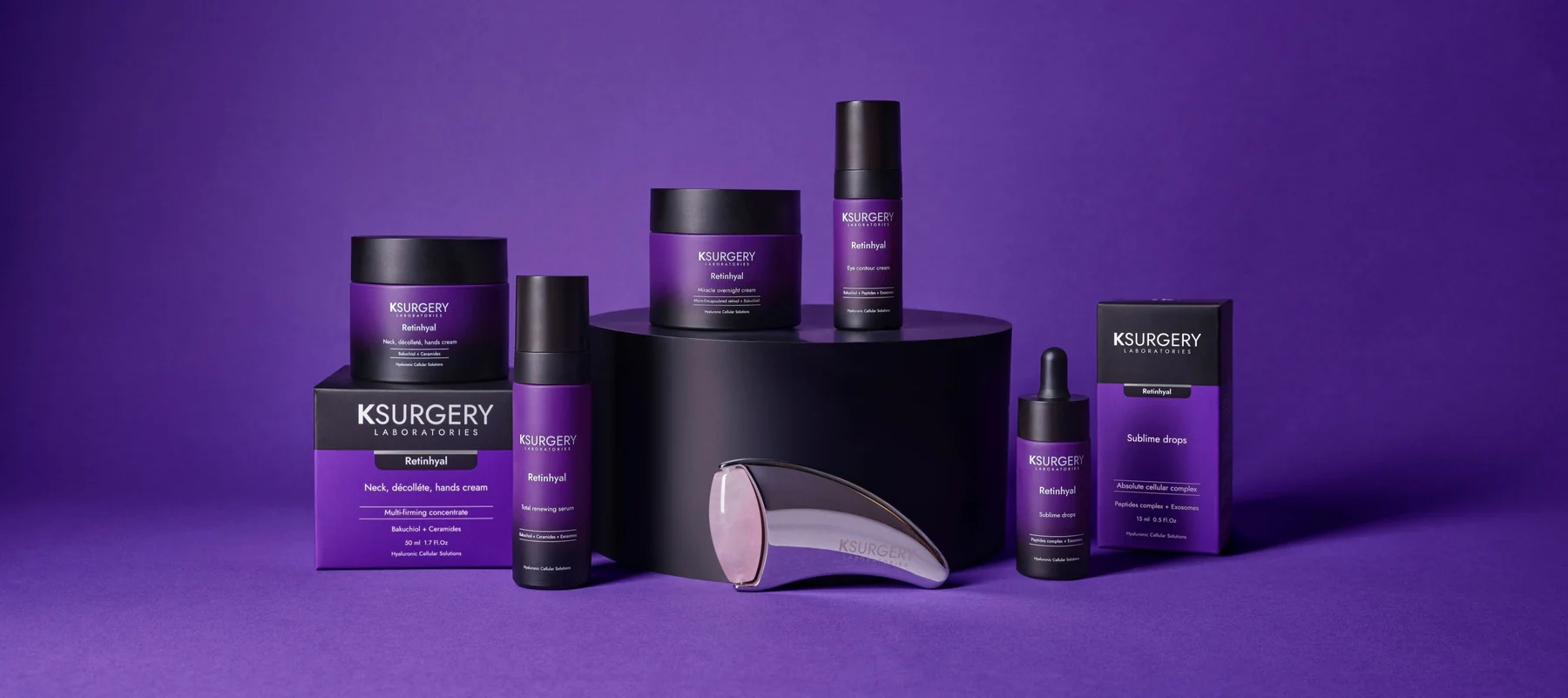
For years, retinol has been positioned as the gold standard in skin renewal. Yet in clinical practice, the reality is often more complex. Many patients experience irritation, sensitivity, and a disrupted skin barrier long before they see the benefits. In this article, aesthetic skin therapist Komona Govender shares her clinical experience introducing a next-generation retinoid formulation into her clinic, AesthetiXpert. The KSurgery Retinhyal range, now available in South Africa through Regensys, and how it is changing the way she approaches vitamin A in practice. By combining renewal with repair, this approach is changing how patients experience vitamin A skincare, especially those who previously could not tolerate it.

Rethinking Retinol in Real Patients
In my clinic, retinol has always been one of the most effective tools for improving skin texture, stimulating collagen, and supporting long-term skin health. However, I’ve also seen firsthand that it often comes with a trade-off. Redness, peeling, dryness, and sensitivity are common, and for many patients, these side effects become a barrier to continued use.
While the standard advice is to gradually “build tolerance”, I’ve found that this is not always realistic. Every patient’s skin behaves differently, and factors such as diet, stress, medication, hormonal changes, and underlying health conditions all influence how the skin responds. In many cases, the skin barrier (the outer protective layer that keeps moisture in and irritants out) is already compromised before retinol is even introduced.
For me, the ongoing challenge has been finding a way to deliver the benefits of vitamin A without triggering inflammation or forcing patients through an uncomfortable adaptation phase.
A Smarter Combination: Retinol and Bakuchiol
What immediately stood out to me with the KSurgery Retinhyal formulation is the combination of retinol with bakuchiol, a plant-derived compound often referred to as a gentler retinol alternative.
In practice, bakuchiol supports many of the same outcomes I expect from retinol, including improved texture, smoother skin, and better elasticity, but with significantly improved tolerance in sensitive or reactive skins. More importantly, it appears to stabilise and support the skin’s response to retinol, reducing the likelihood of irritation and allowing for more consistent use.
Since introducing this range into my clinic, I’ve noticed a clear shift. Patients who would typically avoid vitamin A are now able to use it comfortably, while still achieving visible improvements in tone, clarity, and overall skin quality.
Beyond Resurfacing: The KSurgery Retinhyal Concept
Traditionally, I’ve approached resurfacing and barrier repair as two separate phases. One focuses on renewal, the other on recovery.
What I find particularly interesting about the KSurgery Retinhyal range is that it brings these processes together into a single formulation.
1. Cellular Renewal
Retinol and bakuchiol work together to support cell turnover and collagen production, helping to refine texture, minimise the appearance of pores, and soften fine lines.
2. Cellular Communication
The inclusion of exosomes, often described as “messenger signals” within the skin, supports how skin cells communicate and respond to repair processes. In simple terms, they help guide the skin to regenerate more efficiently, which may contribute to improved healing and resilience.
3. Barrier Reinforcement
Ceramides, which are essential lipids within the skin barrier, act like the “glue” that holds skin cells together. Their role here is critical. While the skin is being renewed, it is simultaneously being supported, protected, and hydrated.
Together, the range is designed to work as a complete at-home protocol, supporting skin regeneration while maintaining barrier integrity — a balance that is often difficult to achieve with traditional retinol-based systems.
What This Means in Practice
From my perspective as a therapist, one of the most noticeable differences has been how well the skin tolerates ongoing use.
Instead of the typical cycle of irritation followed by recovery, I’m seeing more stable, consistent improvements. Skin appears smoother, more even, and better hydrated, without the visible signs of inflammation that often accompany traditional retinol use.
This also changes how I approach home care within a broader treatment plan.
Supporting In-Clinic Treatments, Not Compromising Them
One of the ongoing challenges in aesthetic practice is managing active skincare around treatments such as chemical peels or microneedling.
In many cases, I need patients to stop their retinol-based products well in advance because their skin is too sensitised.
With this formulation, because there is such a strong emphasis on barrier support alongside renewal, the skin remains more balanced and less reactive. In my experience, this allows patients to maintain healthier skin leading up to treatments, which ultimately supports more predictable and consistent outcomes.
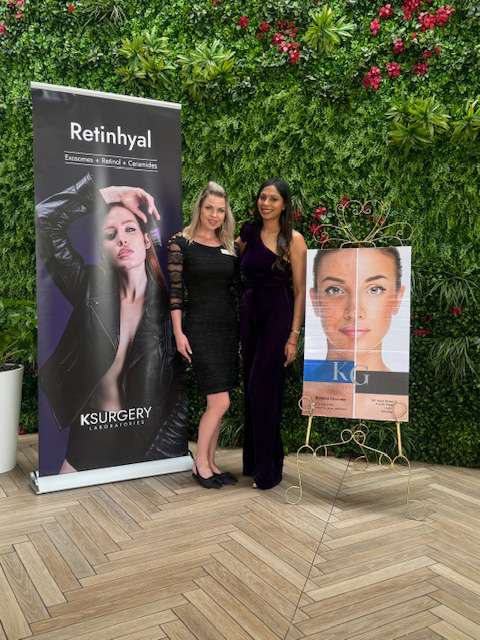
Pics from the launch of KSurgery Retinhyal at AesthetiXpert by Komona Govender: