
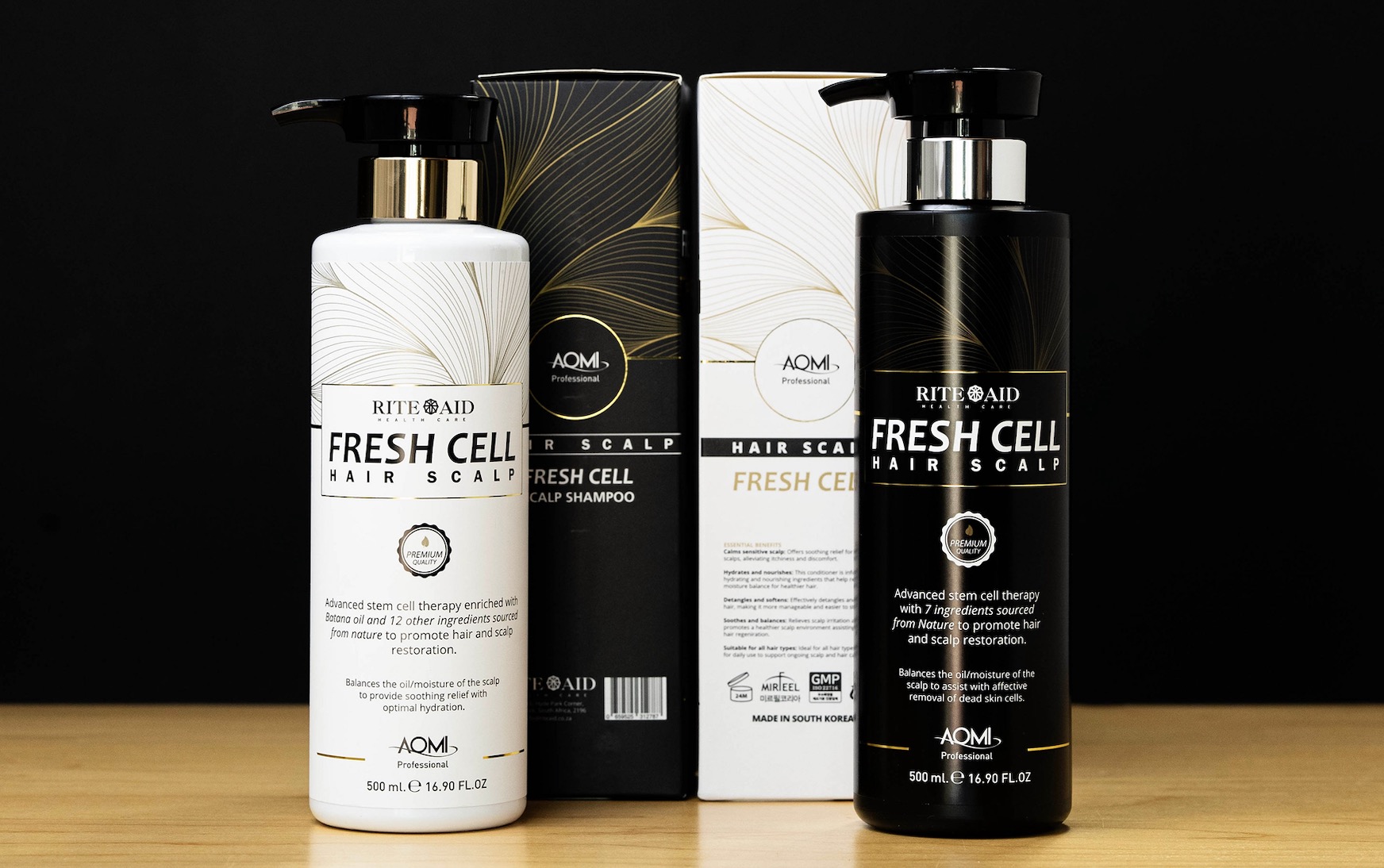
*Sponsored post: Fresh Cell Shampoo*
Hair loss in textured and ethnic hair is often far more complex than simple shedding or breakage. From traction alopecia and scalp inflammation to the long-term impact of styling practices and chemical treatments, many individuals are searching for hair care that goes beyond cosmetic promises and focuses on scalp and follicle health, too. In this article, Dr Tamar de Wet explores the science behind Fresh Cell Shampoo and Conditioner, including the role of human stem cell culture medium, scalp support, and why a healthier scalp environment may play an important role in maintaining stronger, healthier-looking hair over time.
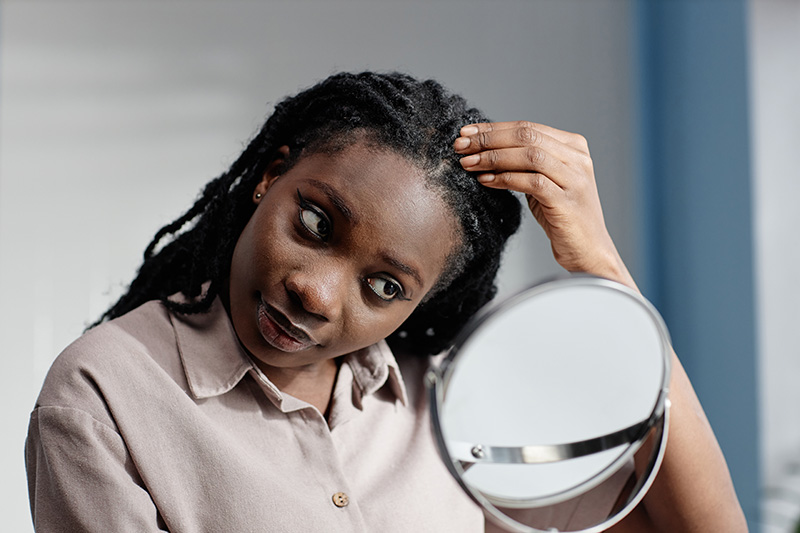
Hair loss is a deeply personal concern, and for people with ethnic hair, particularly those of African descent, it can be especially complex. Certain types of hair loss are more common in these groups and are often linked not only to genetics but also to hairstyling practices, inflammation, and scalp sensitivity. Unfortunately, many everyday hair products focus only on cosmetic benefits, leaving consumers searching for solutions that support scalp and follicle health more meaningfully.
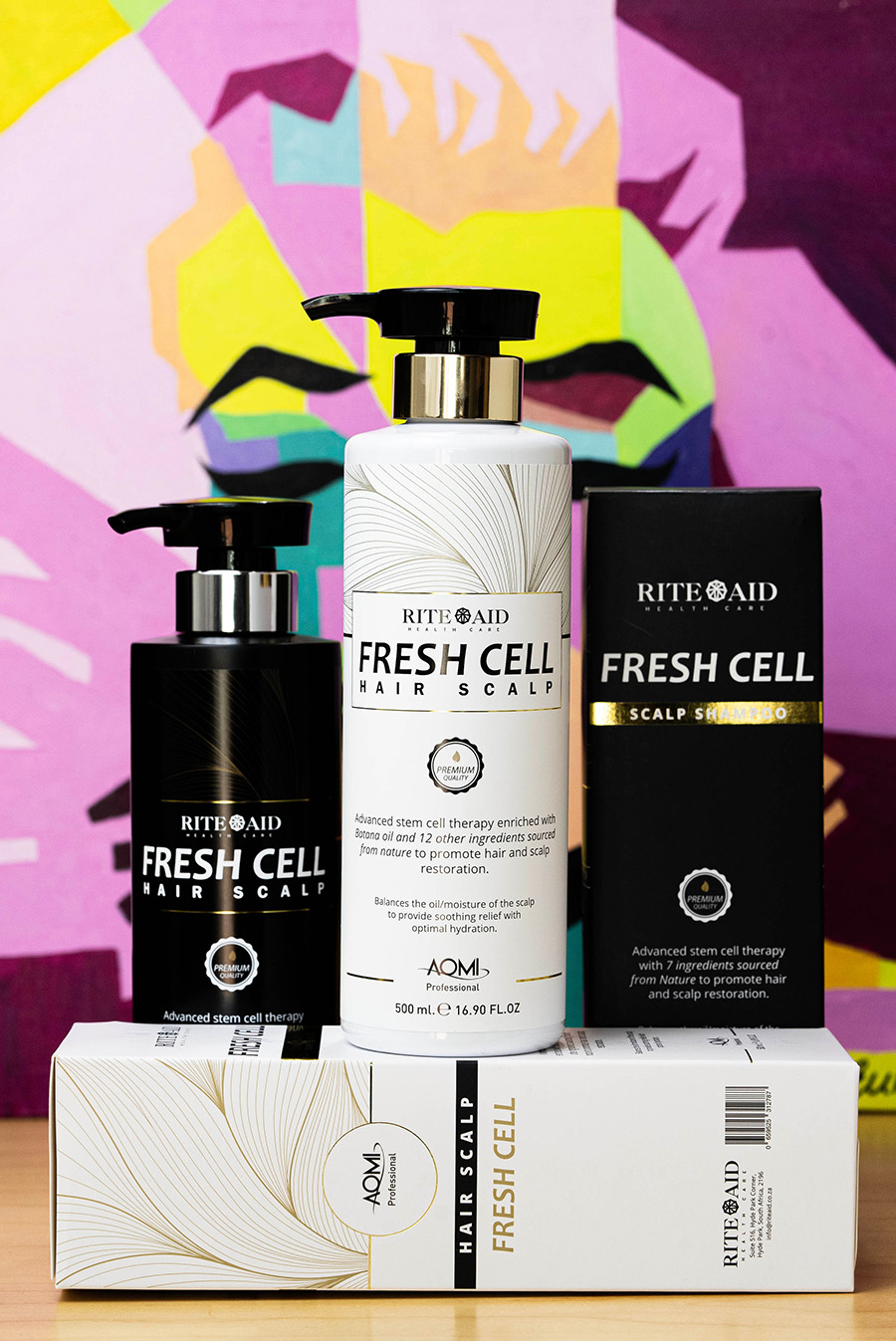
The Fresh Cell system was developed with this need in mind, combining gentle, scalp-friendly ingredients with human stem cell culture medium, a technology increasingly studied for its supportive role in hair and scalp wellness.
Understanding Hair Loss in Ethnic Hair
Ethnic hair has a unique structure. The hair follicle tends to be more curved, and the hair shaft can be more fragile, making it more vulnerable to breakage and traction. Conditions such as traction alopecia and central centrifugal cicatricial alopecia (CCCA) are significantly more common in Black women, with traction alopecia affecting up to 30–40% in some populations and CCCA estimated to affect 2.7–5.6% of Black women between the ages of 30 and 55.¹ ²
Inflammation plays a key role in many of these conditions. When the scalp is chronically irritated, whether from tight hairstyles, chemical treatments, or underlying sensitivity, hair follicles may struggle to maintain a healthy growth cycle.
What Is Human Stem Cell Culture Medium?
To understand how Fresh Cell works, it helps to understand what stem cell culture medium is. Stem cells are special cells with the ability to support tissue renewal. In laboratories, stem cells are grown in a nutrient-rich solution called culture medium.
Once the cells are removed, this medium, often referred to as conditioned medium, contains a concentrated blend of naturally produced growth factors, proteins, and signalling molecules.³
Importantly, Fresh Cell does not contain live stem cells. Instead, it uses carefully processed human mesenchymal stem cell-derived culture medium, which has been studied for its ability to support skin and hair follicle function through non-invasive, topical use.³
How This Technology May Support Ethnic Hair
1. Supports Hair Follicle Function
The growth factors found in stem cell culture medium are known to interact with hair follicle cells, particularly the dermal papilla cells that help regulate the hair growth cycle. This support may help follicles function more optimally in thinning or stressed scalp areas.⁴
2. Encourages a Healthy Hair Growth Cycle
Studies show that conditioned medium can help support the transition of hair follicles from the resting phase into the active growth phase, which is essential for maintaining hair density over time.⁵
3. Helps Calm Scalp Inflammation
Inflammation is a common factor in many hair loss conditions affecting ethnic hair. Human stem cell-derived culture medium contains bioactive molecules that have demonstrated anti-inflammatory and scalp-soothing properties, helping to create a healthier environment for hair growth.⁴
4. Well Tolerated Across Skin Types
Clinical studies using human stem cell-derived conditioned medium in hair applications report good tolerability, with no serious adverse effects.⁶ This is particularly important for sensitive scalps, which are common in individuals with textured or chemically treated hair.
What Does the Science Say Across Different Ethnic Groups?
While direct comparisons between ethnic groups are still limited, large reviews and meta-analyses show that stem cell-derived hair therapies improve hair density and thickness across diverse populations. A 2024 meta-analysis found consistent benefits regardless of delivery method, including topical use.³ Studies conducted in Asian, Middle Eastern, European, and mixed populations all report positive outcomes, with no evidence that results are reduced in ethnic groups.⁷
Where Fresh Cell Fits In
The Fresh Cell system is not positioned as a medical treatment or cure for hair loss. Instead, it is designed as a supportive, science-led shampoo and conditioner that helps maintain scalp health, supports hair follicles, and complements other professional or medical hair-care approaches.
Used consistently, it may be particularly beneficial for individuals experiencing early thinning, scalp sensitivity, or hair stress related to styling practices, areas where everyday hair care often falls short.
In Summary
Hair loss in ethnic hair is common, multifactorial, and often under-addressed by standard products. By incorporating human stem cell culture medium into a gentle, well-formulated shampoo and conditioner, Fresh Cell offers a modern, research-supported approach to everyday hair and scalp care, bridging the gap between cosmetic hair care and science-informed scalp support.
For more information, visit www.freshcellshampoo.co.za
Disclaimer: This article was commissioned by Rite Aid Health Care

References
- Sharquie KE, Schwartz RA, Aljanabi WK, Janniger CK. Traction alopecia: clinical and cultural patterns. Indian J Dermatol. 2021;66(4):445.
- Verywell Health. Central centrifugal cicatricial alopecia (CCCA): causes, symptoms, and treatment. 2025.
- Chien WY, Huang HM, Kang YN, Chen KH, Chen C. Stem cell-derived conditioned medium for alopecia: a systematic review and meta-analysis. J Plast Reconstr Aesthet Surg. 2024;88:182-192.
- Oh HA, Kwak J, Kim BJ, Jin HJ, Park WS, Choi SJ, Oh W, Um S et al. Migration inhibitory factor in conditioned medium from human umbilical cord blood-derived mesenchymal stromal cells stimulates hair growth. Cells. 2020;9(6):1344.
- Yan W, Liu J, Xie X et al. Restoration of follicular β-catenin signalling by mesenchymal stem cells promotes hair growth in mice with androgenetic alopecia. Stem Cell Res Ther. 2024;15:439.
- Mathen C, D’Souza W. In vitro and clinical evaluation of umbilical cord-derived mesenchymal stromal cell-conditioned media for hair regeneration. J Cosmet Dermatol. 2022;21(2):740-749.
- Kret-Trzciniecka K et al. Human stem cell use in androgenetic alopecia: a systematic review. Cells. 2023;12(6):951.
About the author

MBChB (UFS), Adv. Dip. Aesth. Med. (SA)
Dr Tamar is a medical practitioner who has been interested in and passionate about aesthetic medicine since 2016. She offers anti-ageing and aesthetic treatments at her practice in Knysna and is also part of the dynamic team at Skinlogic, a state-of-the-art skin and laser centre in George.