

AAJ Editorial Note: Claudia McGloin is a registered nurse based in Ireland, where the professional scope of practice for PRP treatments differs from that in South Africa. For South African readers, it is important to note that injectable PRP treatments fall within medical practice and should be performed by appropriately registered medical practitioners, in accordance with our local professional and regulatory requirements. The article reflects the author’s international clinical perspective and should be read within this context.
Not all platelet-rich plasma (PRP) treatments are created equal. The preparation process, platelet concentration and cellular composition can differ significantly between systems and clinics, yet they are often presented to patients as the same treatment. Ireland-based registered nurse Claudia McGloin examines the variables that influence PRP quality, why higher platelet concentrations do not necessarily mean better results, and what practitioners should understand about the biological product they administer.
Platelet Rich Plasma (PRP) has become increasingly popular in aesthetic medicine, hair restoration and orthopaedic practice. Yet despite its widespread use, there is something that continues to concern me. We talk about PRP as though it is one standardised treatment, when in reality, the preparation administered can vary considerably from one clinic to another. Two patients may be told they are receiving exactly the same treatment, but are they? Through my years of working in orthopaedics and regenerative medicine, I have come to believe that this is one of the most important questions we need to address if regenerative medicine is to continue developing as a credible, evidence-based field.
Why PRP Preparations Differ Between Clinics
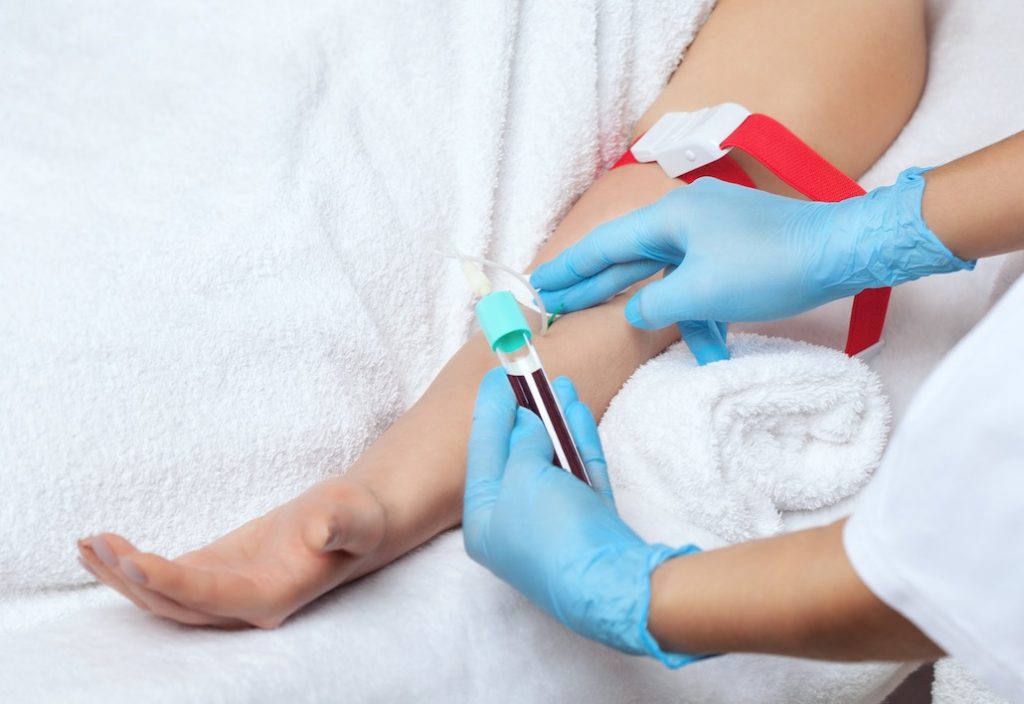
PRP is not a manufactured pharmaceutical product with an identical formulation in every syringe. It is prepared from a patient’s own blood, and the final product depends on several factors, including the collection system, anticoagulant, centrifugation process, platelet recovery, cellular composition and volume produced. Different systems can yield very different preparations, yet they are all described under the same broad term. This creates confusion not only for patients but also for clinicians interpreting research. When one study reports positive outcomes and another finds limited benefit, we need to consider whether the treatments being compared were biologically equivalent in the first place.
Platelet Concentration Versus Total Platelet Dose
One of the biggest misconceptions surrounding PRP is that a higher platelet concentration automatically means a better treatment. Platelet concentration is important, but it is not the whole picture. We also need to consider the total platelet dose delivered, which depends on both concentration and volume. A preparation containing a higher concentration of platelets in a smaller volume may deliver fewer platelets overall than a less concentrated preparation administered in a larger volume. More importantly, there is no universally established optimal platelet dose for every clinical indication. We cannot simply assume that increasing the number of platelets will produce a proportionately better result. If we are going to discuss PRP quality, we need to move beyond marketing claims about concentration and understand what is actually being delivered.
The Role of Leukocytes and Other Blood Components
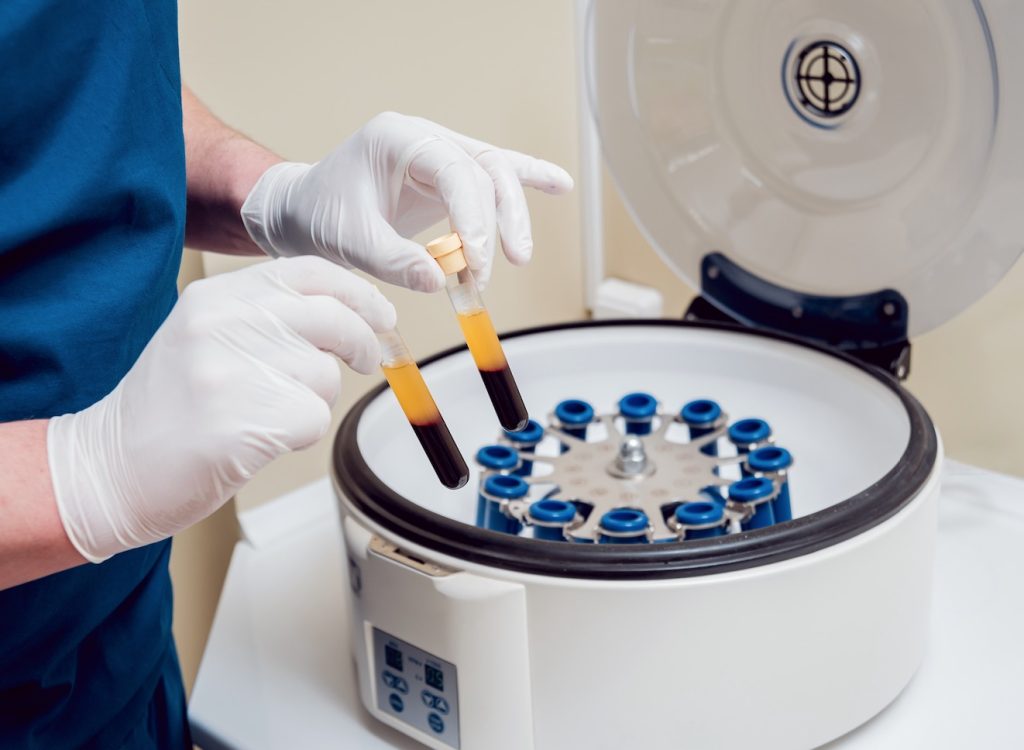
The presence of other blood components is equally relevant. Leukocyte-rich and leukocyte-poor PRP differ in their cellular composition, and those differences may influence inflammatory activity and tissue responses. In orthopaedics, particularly when treating conditions such as knee osteoarthritis or tendon disorders, the role of leukocytes remains an important area of investigation. However, it would be inaccurate to suggest that one preparation is universally superior. Red blood cell contamination is another variable that deserves attention. These cellular differences may help explain variation in biological activity, but their precise relationship with clinical outcomes is not yet fully understood. The important point is that practitioners should know the characteristics of the PRP they are using and why those characteristics may matter for the tissue being treated.
Why the PRP Preparation Process Matters
Something else I feel strongly about is the preparation process itself. We spend considerable time discussing injection techniques, but how much attention do we give to what happens before the syringe reaches the patient? Blood collection, anticoagulant use, centrifugation settings, processing time and handling can all influence the final preparation. Even when using the same commercial system, failing to follow a validated protocol can compromise consistency. Some preparations are activated before administration, while others rely on activation within the tissue. These are not necessarily equivalent approaches. Understanding these differences should be a fundamental part of PRP education. Knowing how to take blood, operate a centrifuge and perform an injection does not automatically mean a practitioner understands the biological product they are administering.
Why One PRP Protocol Cannot Suit Every Indication
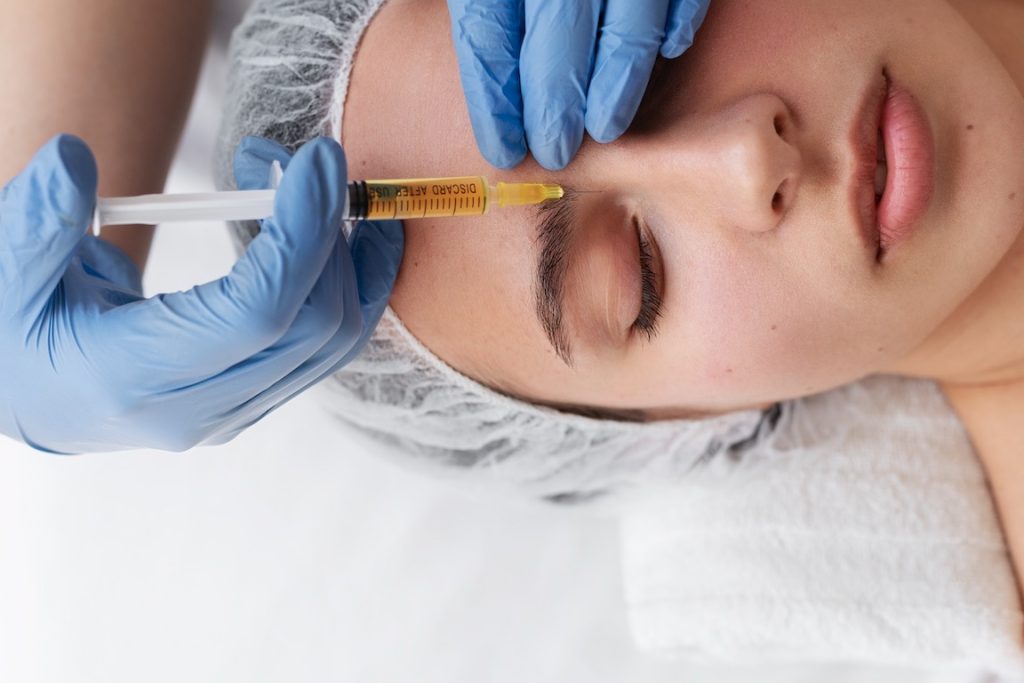
We also need to question the assumption that one preparation and treatment protocol can be used for every indication. The objectives of treating facial skin, androgenetic alopecia, a degenerative knee joint or a tendon injury are very different. The underlying pathology, tissue environment and desired outcomes all need consideration. Yet PRP is sometimes promoted as though the same approach can be applied across multiple conditions without meaningful adjustment. This does not mean we have definitive evidence identifying the ideal preparation for every application. We do not. It means that treatment selection should be guided by the available evidence, an understanding of the preparation and appropriate clinical assessment, rather than convenience or familiarity with a particular system.
How Individual Patient Factors Influence PRP
Then there is the patient. Because PRP is autologous, the starting material is not identical between individuals. Baseline platelet counts and other blood characteristics vary, while factors such as medication use and underlying health may influence aspects of platelet biology. We still need better evidence to determine how reliably these differences predict treatment outcomes, but they reinforce an important principle: PRP variability does not begin and end with the centrifuge. The patient, the product and the protocol all deserve consideration.
Asking Better Questions About PRP Quality
If we want to improve the quality of PRP practice, we need to start asking better questions. What type of PRP is being prepared? What is its platelet concentration and total delivered dose? What is its leukocyte and red blood cell content? How is it processed, and what evidence supports its use for the intended indication? These details should also be reported more consistently in clinical research. Without them, we risk comparing fundamentally different preparations while treating the findings as though they relate to one intervention.
Patients deserve to understand that not every PRP treatment is equivalent, and clinicians have a responsibility to understand the products they prepare and administer. PRP has promising applications, but enthusiasm should never replace scientific scrutiny or sound clinical judgement.
The question is not simply whether we offer PRP. It is whether we truly understand the PRP we are offering.
About the author

Claudia McGloin is an internationally recognised Nurse Practitioner specialising in orthopaedics, platelet rich plasma (PRP) and regenerative medicine. With over 28 years of nursing experience and more than 16 years working in regenerative and aesthetic medicine, she has an extensive clinical background, including senior orthopaedic nursing roles within the NHS in London.
She is the founder of The Regenerative Expert Nurse®, a nurse-led specialist clinic based in Sligo, Ireland, providing regenerative aesthetic, orthopaedic and wellness treatments, with a particular focus on PRP, patient assessment, treatment planning and clinical outcomes.
Claudia is an international speaker, clinical educator, published author and industry advisor. She is an Advisory Contributor to the Regenerative Aesthetic Medicine Institute (RAMI) and serves on the Editorial Boards of the Journal of Aesthetic Nursing and Aesthetic Medicine.
Her professional work also includes developing PRP competency guidance, contributing to clinical education and promoting higher standards in regenerative medicine. She is a recognised trainer for Cellenis PRP across the UK and Ireland and has presented at international medical and aesthetic conferences.
Claudia is particularly passionate about improving PRP education, challenging misconceptions surrounding regenerative treatments and ensuring that patient safety, clinical assessment and evidence-based practice remain central to the development of regenerative medicine.