

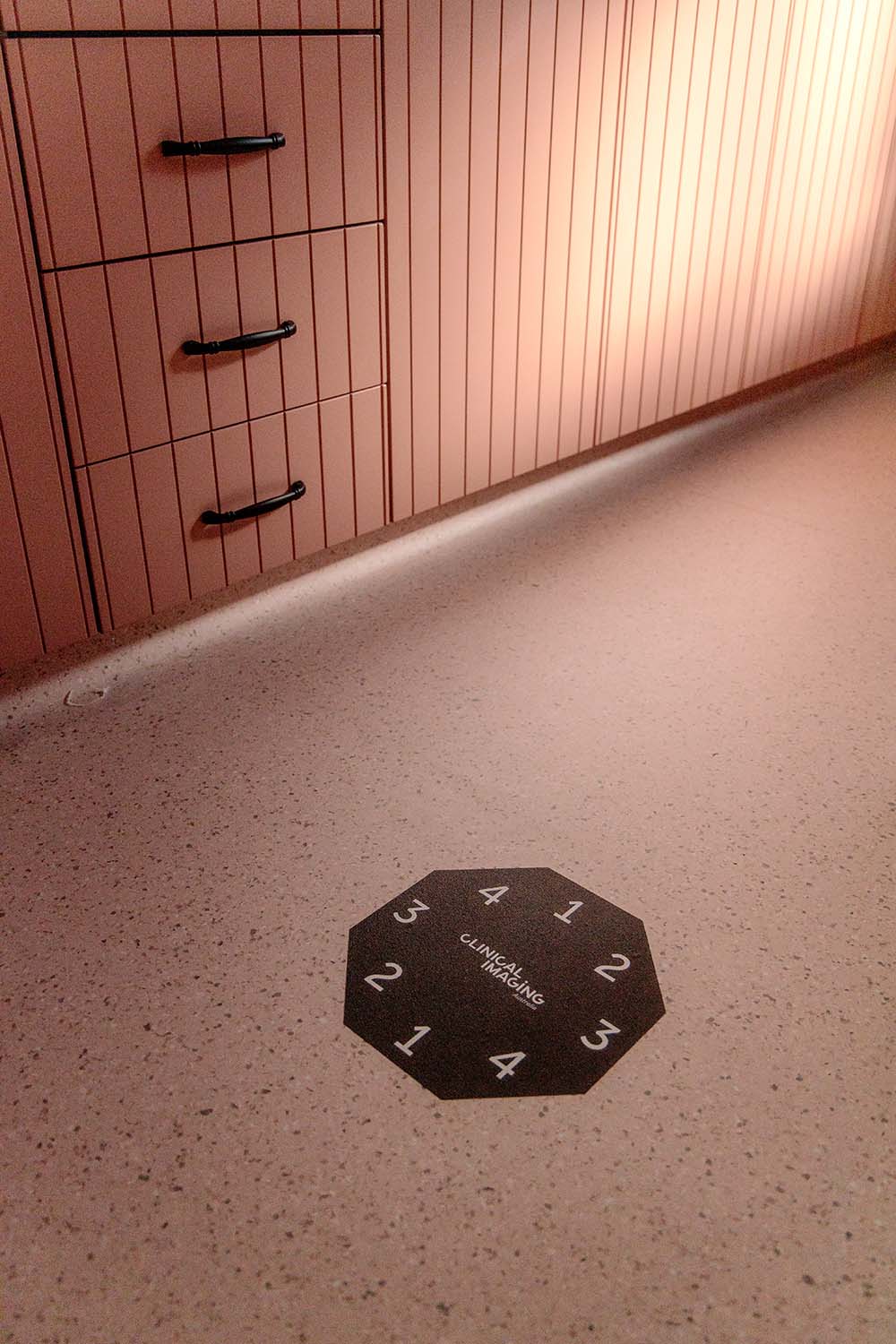
*Sponsored post: Clinical Imaging Australia*
Clinical Imaging Australia has been at the forefront of revolutionising clinical photography in the field of plastic surgery since its inception in 2014. By collaborating closely with prominent surgeons, they have developed tailored imaging systems that enhance patient care, streamline workflows, and support effective marketing strategies. This article explores how Clinical Imaging Australia’s solutions have become integral to modern plastic surgery practices.

A decade of innovation in clinical photography
Established in 2014, Clinical Imaging Australia embarked on a mission to transform clinical photography within the plastic surgery community. Recognising the challenges faced by surgeons in capturing consistent and high-quality images, the company developed customised photography workflows that cater specifically to the needs of plastic and reconstructive surgeons.
Over the past decade, these systems have been adopted by numerous surgeons across Australia and New Zealand, reflecting the company’s commitment to continuous improvement and adaptation to the evolving demands of the medical community.

Tailored solutions for plastic and reconstructive surgery
Clinical Imaging Australia’s systems are meticulously designed to accommodate the diverse imaging requirements of plastic and reconstructive surgery. Whether capturing pre-operative conditions or post-operative results, its solutions ensure consistency and accuracy.
The user-friendly software allows for the efficient cataloguing of images by patient type, treating surgeon, and stage of the treatment journey, facilitating seamless access and review. Special consideration is given to room selection, often recommending a dedicated private area measuring approximately 1.2 metres in width by 2.5 metres in length.
This flexibility enables integration into various clinical settings, such as antechambers to the main surgeon’s office or setups within nurse stations, catering to both individual surgeons and multidisciplinary teams.

Streamlining workflow efficiency
One of the standout features of Clinical Imaging Australia’s system is its ability to enhance workflow efficiency. The tethered capture workflow allows images to be securely stored and instantly networked within the clinic, reducing the average capture session per patient to approximately five minutes.
This efficiency not only saves valuable time but also minimises potential errors associated with manual handling of images – something all types of practices struggle with because of memory cards.
The system’s design ensures that even staff members without extensive photographic knowledge can operate it effectively, thanks to pre-calibrated cameras and intuitive software interfaces.
Ensuring consistency and objectivity in patient assessments
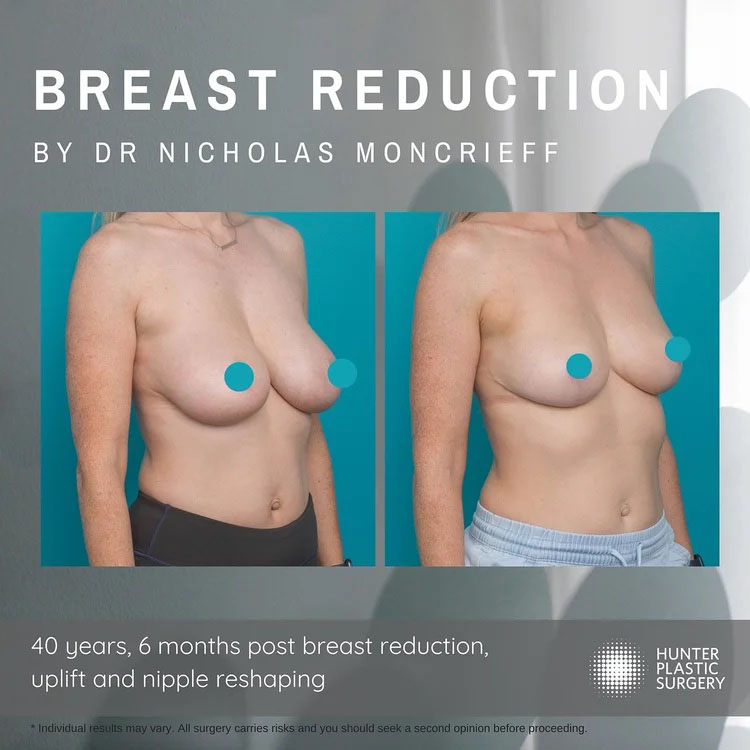
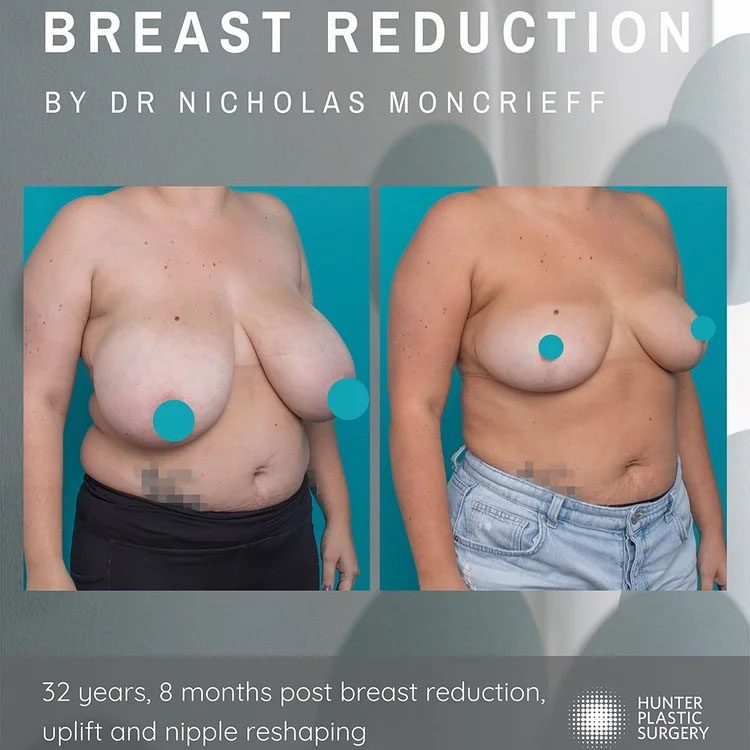
Consistency in clinical photography is paramount for accurate patient assessments and tracking treatment progress. Clinical Imaging Australia’s systems standardise various parameters, including lighting direction, white balance, patient positioning, and backdrop settings.
By eliminating variables that could lead to inconsistencies, the system ensures that the only differences between pre- and post-treatment photographs are the results of the interventions themselves. This objectivity is crucial for both clinicians and patients, providing clear visual evidence of treatment efficacy.

Compliance with regulatory standards
In the realm of medical imaging, compliance with data protection and privacy regulations is of utmost importance. Clinical Imaging Australia’s imaging systems are designed to adhere to requirements, ensuring patient confidentiality and data security.
The systems incorporate robust security protocols to protect patient information and comply with local regulations, providing peace of mind to both practitioners and patients.

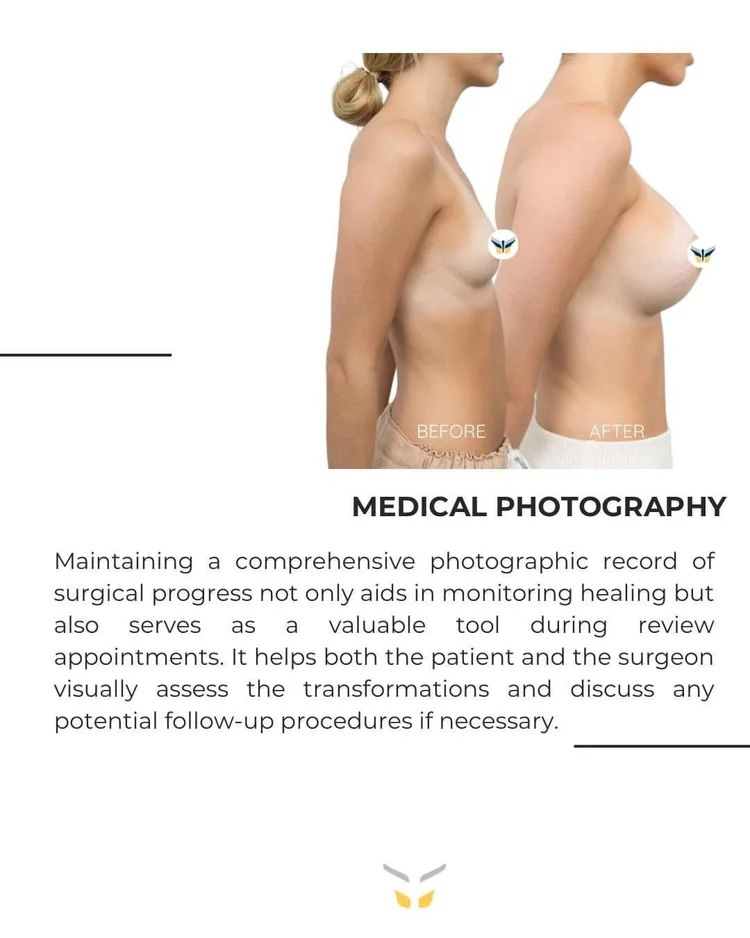
Leveraging high-quality, branded, and watermarked imagery for marketing
Beyond clinical assessments, high-quality photography plays a pivotal role in marketing medical practices. Patients often rely on visual evidence of previous procedures when selecting a clinic or surgeon.
Clinical Imaging Australia’s systems facilitate the creation of accurate and high-resolution images that can be utilised in marketing materials, showcasing the clinic’s capabilities and results.
This ethical transparency fosters trust and confidence among prospective patients, enhancing the clinic’s reputation and outreach.
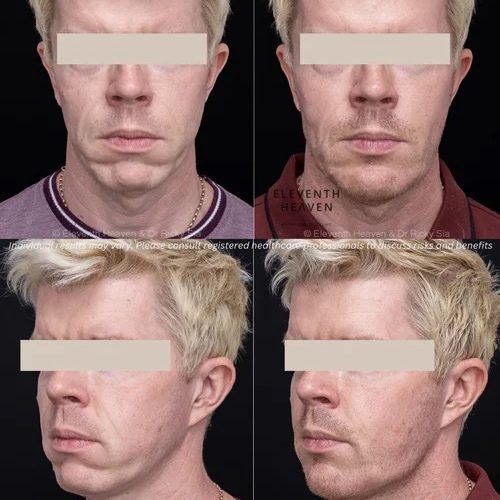

Integration of advanced photographic filters
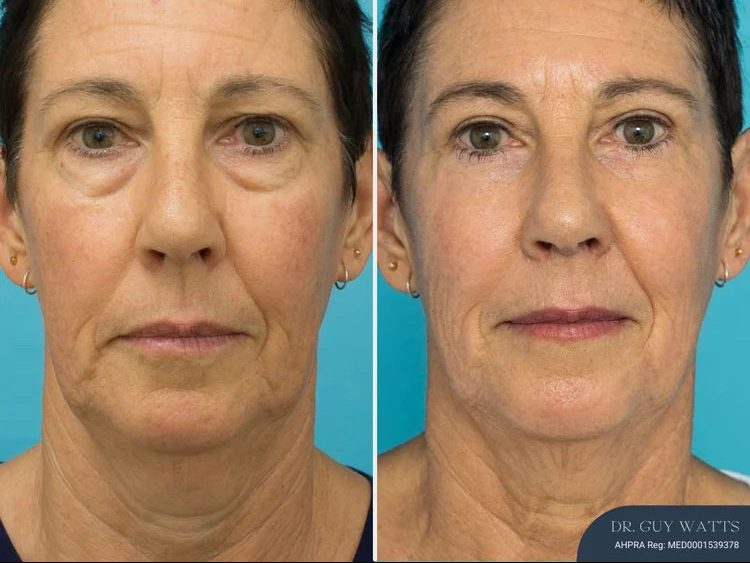
To further enhance diagnostic capabilities, Clinical Imaging Australia integrates customised skin filters into their systems. These filters allow clinicians to illustrate conditions such as sun damage or vascular issues to patients.
The non-destructive nature of these filters means that a single clinical image can be used multiple times with different filters, providing comprehensive insights without the need for multiple photography sessions.
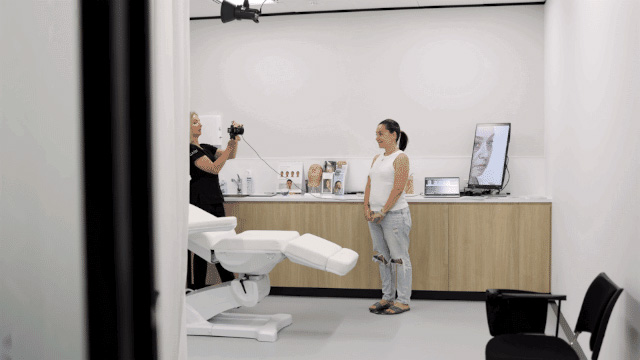
Supporting continuous education and training
Recognising the importance of ongoing education, Clinical Imaging Australia offers extensive training and support programmes. The company provides on-site and remote training, online video tutorials, and masterclasses to ensure that clinical staff can maximise the benefits of the imaging system.
This commitment to education ensures that clinics can maintain high standards in clinical photography, ultimately enhancing patient care and clinic efficiency.
Conclusion
Clinical Imaging Australia’s customised photography solutions have become indispensable tools in the field of plastic surgery.
By addressing the unique challenges of clinical photography, these systems have empowered surgeons to enhance patient assessments, streamline workflows, ensure regulatory compliance, and effectively market their services.
The company’s dedication to innovation and education continues to set it apart as a leader in clinical imaging solutions.
For more details, visit Clinical Imaging‘s website www.clinicalimaging.com.au, or contact the South African sales representative at winstonwilson@clinicalimaging.com.au or +27 63 400 8638.
Follow Clinical Imaging: