

Pigmentation concerns are one of the most common reasons patients present to dermatology clinics, yet the causes behind visible dark patches can vary significantly. In this article, Dr Irshad Mohummed Essack explains why proper diagnosis is essential and how different forms of pigmentation arise within the skin. Understanding the distinction between them empowers patients to approach treatment decisions with greater clarity and confidence.
Pigmentation disorders are among the most common reasons people seek dermatological care. Dark patches, uneven skin tone, or marks left behind after inflammation can be distressing and frustrating. A crucial point many people don’t realise is that not all pigmentation is the same. Two dark patches may look similar in the mirror but arise from very different processes within the skin. Because of this, a “one size fits all” approach rarely works. Correct diagnosis is essential, as treatment needs to be tailored to the specific type of pigmentation rather than applied blindly.
Melasma
Melasma is a common condition that causes brown or grey-brown patches, usually on the cheeks, forehead, upper lip, or jawline. It often affects women more than men and is strongly influenced by hormones and sun exposure. Pregnancy, oral contraceptives, and heat can all play a role. In simple terms, melasma happens when pigment-producing cells become overactive. It tends to be chronic and can recur, which is why long-term management and sun protection are key.

Endogenous Ochronosis
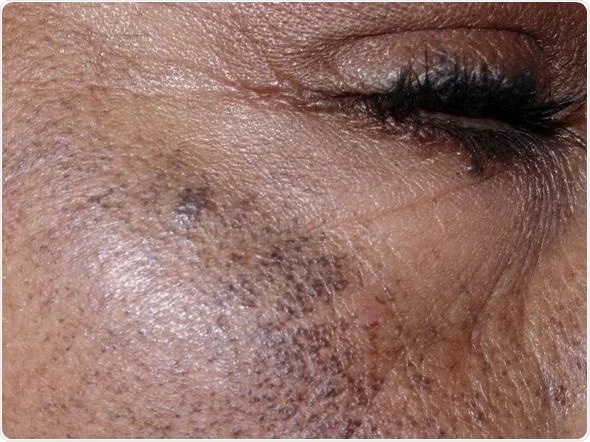
Endogenous ochronosis is rare but important to recognize. It leads to bluish-black or grey discoloration of the skin, often in sun-exposed areas. This condition is linked to an internal metabolic issue where certain pigments accumulate in tissues over time. Unlike more common forms of pigmentation, this type does not respond well to standard lightening treatments, making accurate diagnosis especially important to avoid unnecessary or harmful therapies.
Post-Inflammatory Hyperpigmentation (PIH)
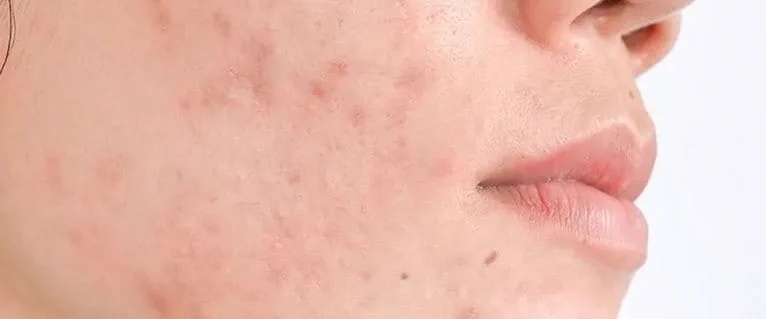
Post-inflammatory hyperpigmentation is one of the most frequent pigment problems seen in clinical practice. It occurs after the skin has been inflamed or injured—such as after eczema, insect bites, burns, or cosmetic procedures. As the skin heals, it may leave behind a dark mark. Think of it as the skin’s “memory” of inflammation. While these marks often fade with time, they can persist for months or even years without proper care.
Acne-Induced Hyperpigmentation
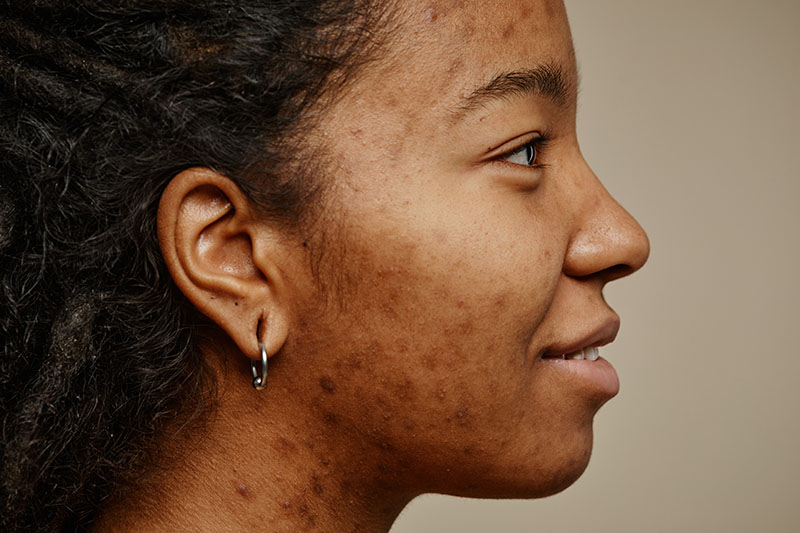
Closely related to PIH, acne-induced hyperpigmentation happens when pimples heal and leave dark spots behind. These marks are not scars, but pigment changes. They are particularly common in darker skin tones. The pigment forms because inflammation from acne stimulates pigment production. Treating the acne early and resisting the urge to pick or squeeze lesions can significantly reduce the risk of these marks forming.
Lichen Planus Pigmentosus (Ashy Dermatosis)
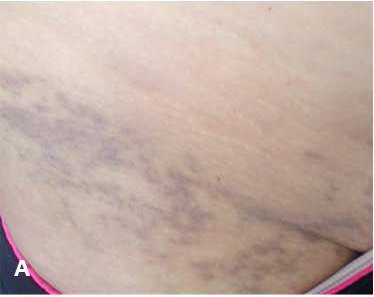
Lichen planus pigmentosus, sometimes called ashy dermatosis, presents as slate-grey or brownish patches, often on the face, neck, or body folds. It is thought to be related to low-grade inflammation of the skin. The pigmentation develops gradually and can be persistent. Because it may resemble other pigmentary conditions, expert evaluation is important to confirm the diagnosis.
Solar Lentigines
Solar lentigines are commonly known as “sun spots” or “age spots.” They appear as flat brown spots on areas exposed to the sun, such as the face, hands, and arms. These develop over time due to cumulative sun damage. While harmless, they are a visible reminder of long-term ultraviolet exposure and often motivate people to seek treatment for cosmetic reasons.

Common Pigmentation Treatments
Treatment options for pigmentation can be broadly divided into procedures and over-the-counter cosmetic agents. Procedural options may include chemical peels, laser therapies, and other energy-based treatments, all of which should be performed under medical supervision.
Over-the-counter products often contain ingredients that help regulate pigment production or encourage gentle skin renewal.
Some prescription medications, such as retinoids, are highly effective but must be used with caution, especially in women who are pregnant, trying to conceive, or breastfeeding, due to the risk of teratogenicity.
In Conclusion
Pigmentation is not just a cosmetic issue—it is a medical condition with many possible causes. Treating it successfully starts with making the correct diagnosis. Consulting a dermatologist allows for an accurate assessment of the skin, identification of the specific type of pigmentation, and development of a treatment plan that is both safe and effective. When the diagnosis is right, treatment becomes more targeted, more predictable, and ultimately more satisfying for the patient.
About the author

M.B.Ch.B (Natal), F. C. Derm (S.A.) 2006
Dr Essack completed his M.B.Ch.B. at the University of Natal Medical School (now the Nelson R. Mandela School of Medicine, UKZN) in 1998. Following internship and community service in Durban, he gained experience across trauma, emergency care, family medicine and paediatrics, before further training in paediatric subspecialties and internal medicine. In 2003, he joined the Department of Dermatology at Inkosi Albert Luthuli Central Hospital and went on to complete postgraduate dermatology training, obtaining his Fellowship of the College of Dermatologists of South Africa (F.C.Derm (S.A.)) in 2006. He later served as consultant and contributed to undergraduate and postgraduate teaching.
Since entering private practice, his work has focused on skin cancer management, dermatological surgery, HIV dermatology and general medical dermatology, alongside aesthetic treatments including injectables, microneedling, chemical peels, biostimulators, hair restoration and skin rejuvenation procedures. He lectures regularly, contributes to public education through media platforms, and collaborates on product research. He is also a member of the Dermatological Society of South Africa, the South African Society for Dermatologic Surgery and is a supporter of the Skin Cancer Foundation of South Africa.