*Sponsored post: Wings Hyperbarics*
Hyperbaric oxygen therapy (HBOT) is quietly becoming one of the most talked-about adjuncts in modern aesthetic and reconstructive surgery. While the focus in plastic surgery is often on technique and artistry, healing plays an equally important role in achieving a successful result. This treatment shifts the conversation toward supporting the body itself, helping tissues recover more efficiently and predictably.
What Is Hyperbaric Oxygen Therapy?
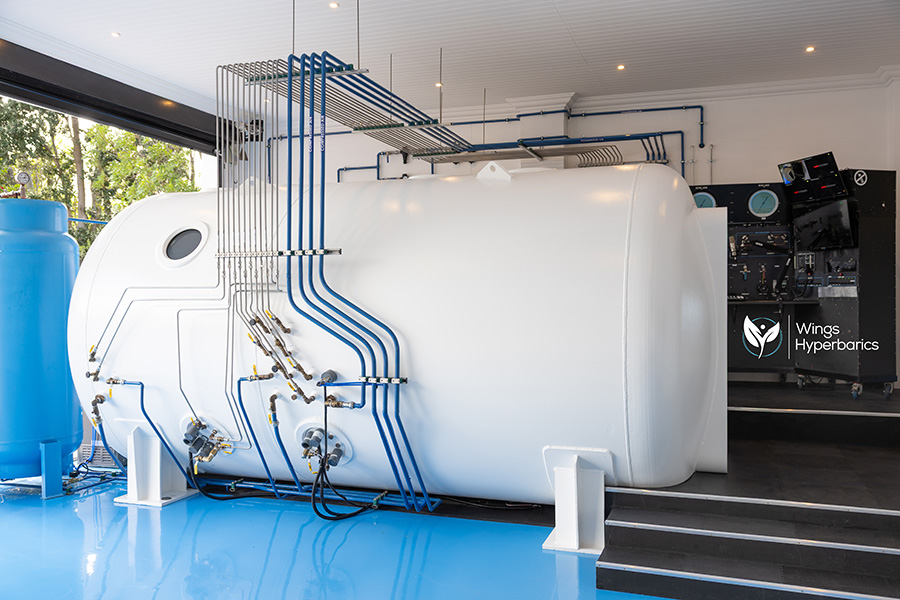
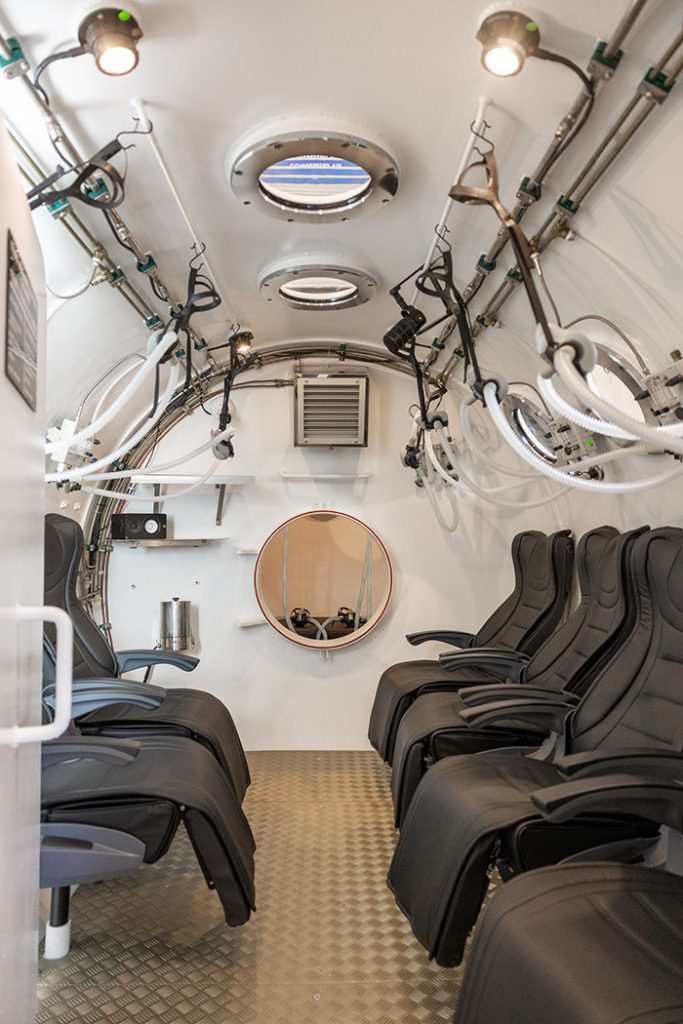
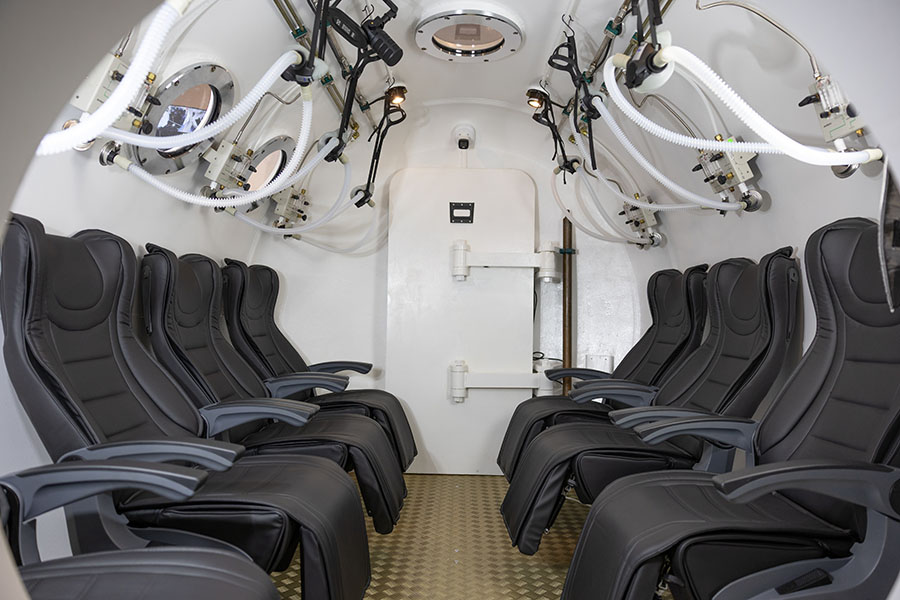
Hyperbaric oxygen therapy, commonly referred to as HBOT, is a medical treatment in which patients breathe pure oxygen inside a pressurised chamber. The pressure is typically increased to around two to two-and-a-half times normal atmospheric levels, allowing oxygen to dissolve more efficiently into the blood plasma.
This matters because, after surgery, tissues are often swollen, bruised, and struggling with reduced blood supply. HBOT helps deliver oxygen deeper into these compromised areas, supporting collagen production, improving circulation, reducing inflammation, and enhancing immune response.
From a patient perspective, sessions are straightforward. Most last between 60 and 90 minutes, during which time patients can rest comfortably, read, or listen to music.
Why Consider HBOT Before Surgery?
One of the more interesting applications of HBOT is its use before surgery. Known as preconditioning, this approach helps prepare tissues to better tolerate the stress of an operation.
Exposure to alternating high and normal oxygen levels triggers what is known as the hyperoxic-hypoxic response, where the body activates protective and repair pathways.
Clinical data have shown meaningful improvements in outcomes. In one large abdominoplasty study, complication rates dropped significantly, and tissue necrosis was effectively eliminated in patients who underwent HBOT prior to surgery.
This approach is particularly relevant for:
- Patients who smoke or have a history of smoking
- Individuals with diabetes or a higher body mass index
- Those undergoing revision procedures or major body contouring
- More extensive surgeries, where the blood supply may be compromised
For patients, this translates into a smoother recovery. For practitioners, it offers a more predictable post-operative course.
After Surgery: Faster Healing and Reduced Downtime
Post-operative healing is where HBOT shows some of its most noticeable benefits.
After surgery, tissues are often oxygen-deprived, which contributes to swelling, bruising, and delayed healing. By improving oxygen delivery, HBOT directly targets these issues.
Across multiple studies, consistent outcomes have been observed:
- Faster wound healing, in some cases, reducing recovery time significantly
- Reduced bruising and swelling, particularly in facial procedures
- Lower complication rates, including infection risk
For patients, this often means returning to normal activities sooner and feeling more confident during the early recovery phase.
Facial Procedures: Subtle but Visible Benefits
In facial aesthetic surgery, even small improvements in healing can have a noticeable impact.
Following procedures such as facelifts or eyelid surgery, HBOT has been shown to:
- Improve circulation in delicate skin flaps
- Reduce swelling and bruising in the first one to two weeks
- Support quicker wound closure
In rhinoplasty, where swelling can persist for months, perioperative HBOT has been associated with a reduction in prolonged oedema, allowing results to become visible sooner.
Body Contouring and Breast Surgery
More extensive procedures, such as abdominoplasty or body lifts, carry a higher risk of complications due to tension on the skin and reduced blood flow.
HBOT may help reduce:
- Wound breakdown
- Delayed healing
- Tissue edge compromise
In breast surgery, including augmentation, lifts, and reconstruction, the therapy supports skin and nipple viability, particularly in cases where circulation is compromised.
Supporting Fat Grafting and Tissue Survival
Fat grafting is widely used in both aesthetic and reconstructive procedures, but its success depends heavily on early blood supply.
HBOT supports this critical phase by:
- Delivering oxygen beyond normal capillary limits
- Reducing inflammation that contributes to fat resorption
- Stimulating the formation of new blood vessels
Emerging clinical evidence suggests improved fat retention and structural integrity when HBOT is used in the early post-procedure period.
A Safety Net for Complications
Where HBOT becomes particularly valuable is in managing complications.
In cases of compromised flaps, grafts, or poorly healing wounds, it has been shown to:
- Improve tissue survival rates
- Support healing in difficult or poorly vascularised areas
- Enhance outcomes when combined with standard medical care
For clinicians, this provides an additional layer of support when managing complex cases. For patients, it can help prevent minor issues from becoming major setbacks.
Safety and Practical Considerations
When delivered under appropriate medical supervision, HBOT is generally considered safe.
Some patients may experience mild side effects such as ear pressure, sinus discomfort, or temporary visual changes, but these are typically short-lived. More serious complications are rare when standard protocols are followed.
Typical treatment protocols include:
- Pressures of 2.0 to 2.5 ATA
- Sessions lasting 60 to 90 minutes
- Daily treatments, with more intensive schedules used in urgent cases
How Should HBOT Be Positioned in Practice?
From a clinical perspective, HBOT can be approached in two ways:
- As a recommended adjunct for high-risk patients or when complications arise
- As an optional enhancement for patients seeking a faster, more comfortable recovery
Clear communication is important, ensuring patients understand both the benefits and the investment involved.
Conclusion
Hyperbaric oxygen therapy represents a shift toward supporting the biology of healing in aesthetic and reconstructive surgery. Rather than focusing solely on the procedure itself, it enhances the body’s ability to recover, repair, and optimise results.
The evidence suggests meaningful improvements in healing time, complication rates, and overall patient experience. While research continues to evolve, the consistency of outcomes across multiple procedures makes HBOT a valuable addition to modern aesthetic practice.
For patients, it offers reassurance. For practitioners, it adds another tool to improve outcomes. And for the field of aesthetic medicine, it reinforces a growing focus on recovery as an integral part of the result.
Disclaimer: This article was commissioned by Wings Hyperbarics.
ABOUT WINGS HYPERBARICS
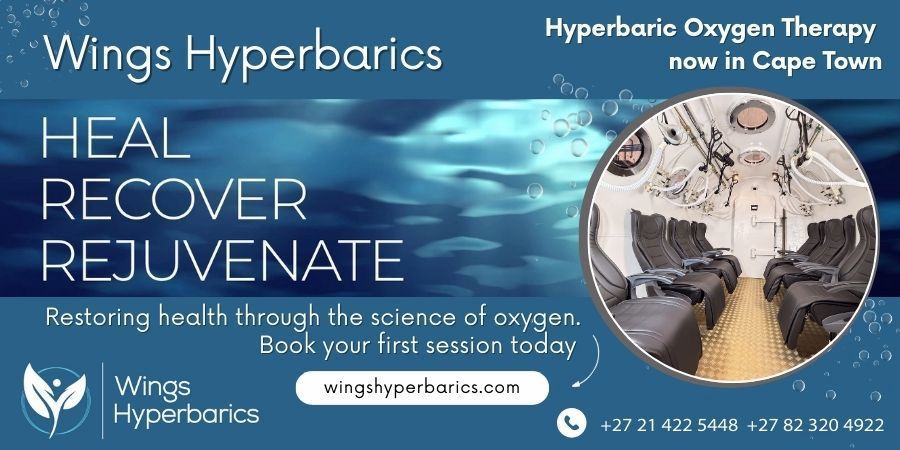
Wings Hyperbarics, located in Noordhoek, Cape Town, proudly operates Africa’s largest multi-place hyperbaric oxygen therapy chamber, a spacious facility built for comfort, safety, and treatment versatility.
The centre was founded by a team passionate about integrative health, drawing on more than thirty years of experience in wellness and medical innovation as well as a love for the ocean and its restorative power. Having spent decades exploring Cape Town’s kelp forests, our founder’s commitment to holistic wellbeing inspired the creation of this unique healing environment.
Wings Hyperbarics has been recognised by SAUHMA as the premier facility in South Africa.
Get in touch:
Website: www.wingshyperbarics.com
Email: info@wingshyperbarics.com
Phone: +27 21 422 5448 or +27 82 320 4922