
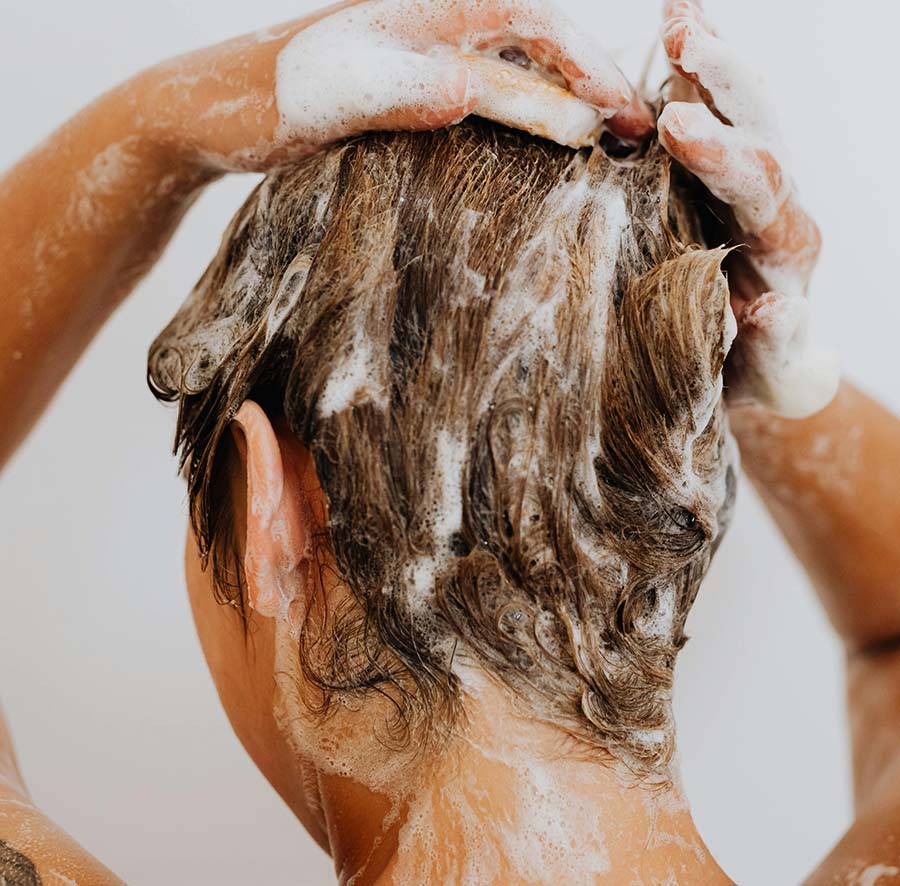
We are meticulous about what we apply to our faces, yet the scalp is often treated as an afterthought. The reality is that hair and skin are not separate systems; they are biologically connected and respond to damage in remarkably similar ways. Dr Alek Nikolic reframes haircare through a skincare lens, offering a more intelligent, long-term approach to scalp and hair health.
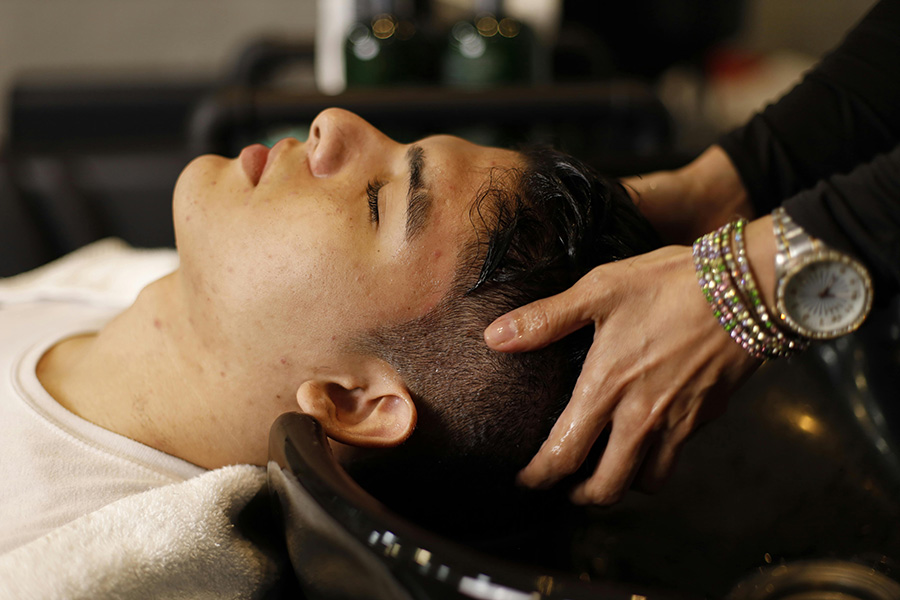
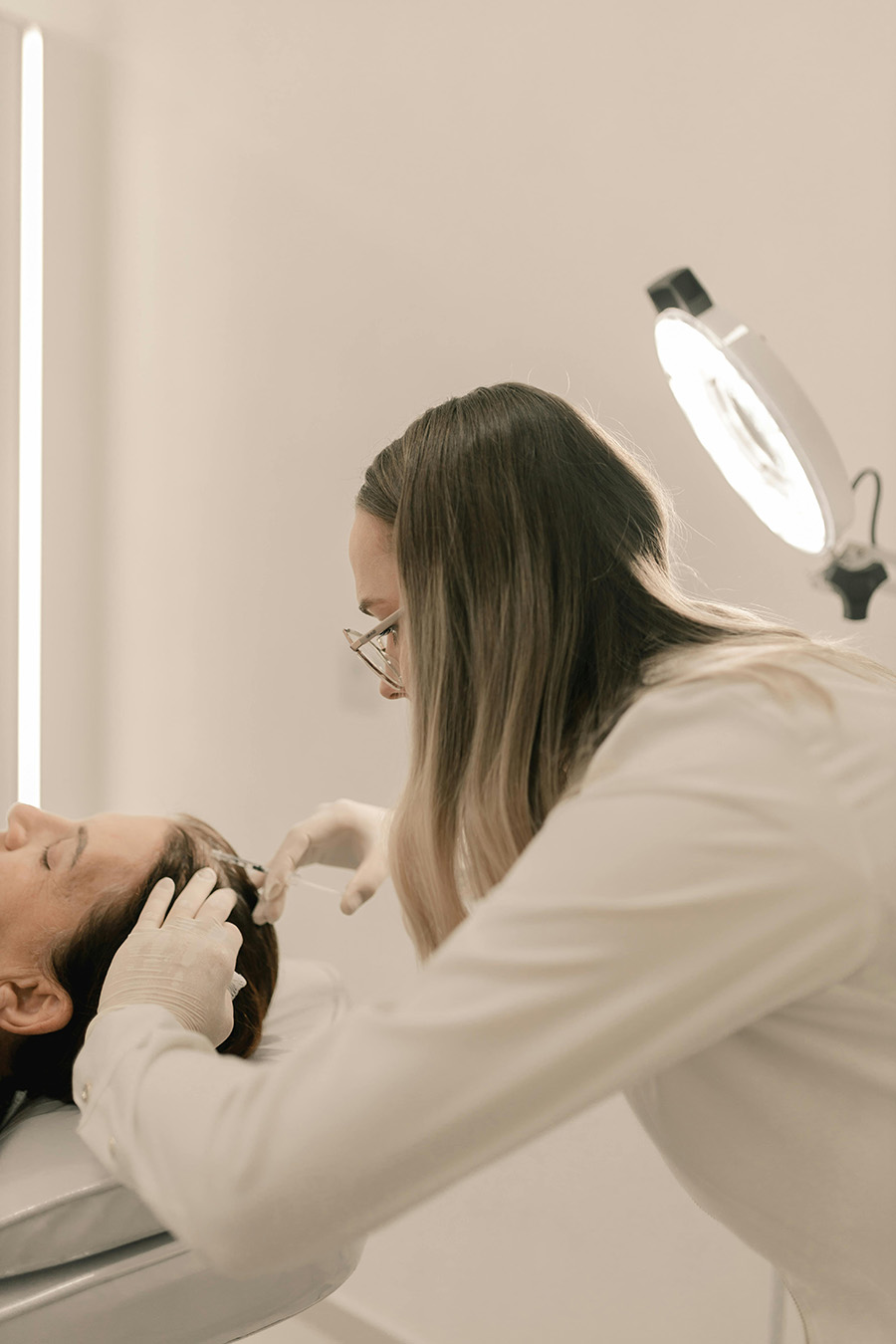
Your scalp is skin, so why aren’t you treating it that way?
You probably wouldn’t apply just anything to your face. Your skincare routine is built around an intentional approach with targeted ingredients, preventive care with long-term results in mind. But when it comes to scalp health, the same approach isn’t always applied.
Scalp health, for many, is still an afterthought. Which is surprising, given that your hair and your skin are more connected than you might think and aren’t separate systems. They are biologically linked, exposed to the same stressors and respond to damage in similar ways.
Your scalp is quite literally an extension of your facial skin. Hair and skin originate from the same embryonic layer and are built from the same key protein, keratin. While hair is technically non-living once it leaves the follicle, it reflects the condition of its environment. Since it grows from your scalp, the care it receives over time matters.
I often say to my patients: think of your scalp as an extension of your facial skin. It has the same barrier function, oil production and sensitivity to inflammation. Yet, while we layer serums and SPF onto our faces, the scalp is often overlooked entirely, which can lead to a compromised scalp barrier.
The scalp’s barrier function works identically to facial skin’s barrier, preventing water loss whilst protecting against external irritants. Harsh cleansing, particularly with high-pH or sulphate-heavy shampoos, can compromise this barrier, just as aggressive facial cleansing damages facial skin’s protective function.
A compromised scalp barrier may become dry, itchy, or sensitive, and the resulting inflammation can create a suboptimal environment for healthy hair growth.
Supporting scalp barrier function follows the same principles as facial skincare: gentle cleansing that respects natural pH, avoiding over-washing that strips protective oils, and using products formulated to support rather than disrupt barrier integrity.
For some people, this might mean shampooing less frequently, allowing the scalp’s natural sebum to provide protection. For others, particularly those with oilier scalps, it means choosing gentle cleansers that effectively remove excess oil without causing irritation or barrier disruption.
Why scalp health matters more than you think
Healthy hair starts with a healthy scalp. It is the environment where hair grows, and when that environment is compromised, it can influence how your hair looks and feels over time.
If your hair feels dry, brittle or prone to breakage, it is not just about what you are using. It is about what your hair has been exposed to. Like skin, hair is exposed daily to UV rays, heat styling, pollution, and oxidative stress.
In South Africa’s high-UV climate, sun exposure alone can significantly weaken the hair fibre, fade colour, and roughen texture. Add chemical treatments, colouring, bleaching, and relaxing, and the internal structure of the hair begins to break down.
Hair cannot regenerate the way skin does. So the damage you see is cumulative. It builds over time, which is why prevention becomes far more important than trying to reverse it later.
Why bond-building is the skincare of haircare
If skincare is about supporting collagen and protecting the skin barrier, the haircare equivalent is bond-building.
Inside each strand are disulphide bonds, tiny structural links that give hair its strength and elasticity. Heat, colour, and environmental exposure break these bonds, leaving hair weaker and more porous.
Bond-building treatments are designed to work beneath the surface, helping to reconnect and reinforce these internal structures. It is a shift away from quick-fix conditioning towards long-term hair health.
We are seeing a move towards more clinically informed haircare. It is no longer just about how hair looks immediately after styling, but about maintaining the integrity of the hair fibre over time.
Think of it as skincare logic applied to your strands: targeted, ingredient-led, and focused on resilience over time.
Your haircare routine, rewritten
If skincare has taught us anything, it is that prevention is more effective than correction, and the same applies to scalp health and hair. There are simple changes that you can implement that will make a measurable difference.
Tip 1: UV protection
Hats or leave-in products with UV filters help minimise sun damage. Darker hair is slightly more protected from the sun than lighter hair, as it has more melanin, but all hair will eventually suffer UV damage without protection.
Product recommendations:
Tip 2: Be aware of heat
Lower your styling tool temperatures to reduce structural breakdown. Less frequent heat styling also makes a significant difference.
Product recommendations:
Tip 3: Incorporate targeted treatments
Weekly bond-building treatments help support repair and maintenance.
Product recommendations:
Tip 4: Gentle cleansing matters
Protecting the scalp barrier helps maintain a healthy foundation. Avoid harsh cleansing that strips natural oils.
Product recommendations:
These are small, consistent habits that mirror what we already understand about good skincare. You are protecting the structure before significant damage occurs.
Beauty is moving towards a more integrated approach, and scalp care is finally part of the conversation. Haircare is catching up to skincare, and rightly so. The same principles apply: consistency, prevention, and choosing products that work with your biology, not against it.
About the author

MBBCh (WITS) ATLS (ACS) MBA (UCT)
Dr Alek Nikolic is a doctor with a special interest in aesthetic medicine and is at the forefront of the latest developments in his field. With a focus on skin care, skin ingredients, and cosmetic dermatology treatments such as lasers, chemical peels, Botulinum toxin, and Dermal Fillers, he has performed over 20 000 procedures to date and is responsible for training many medical practitioners both locally and internationally. After receiving his MBBCh from the University of the Witwatersrand (1992) he went on to do an MBA at the University of Cape Town (2000). With over 24 years in private practice, he has lectured and performed live demonstrations across the globe, including Bangkok, Rome, Paris, Monte Carlo, Prague, and Warsaw.
Some of his accolades include: Owner of Aesthetic Facial Enhancement, Owner of online skincare store SkinMiles.com, Owner and formulator of Skin Ingredients (sk.in): www.skiningredients.com, Founding member of the South African Allergan Medical Aesthetic Academy, Advisor to Allergan Local Country Mentor in Facial Aesthetics, EXCO Member of the Aesthetic and Anti-Aging Medicine Society of South Africa (AAMSSA), and is an Associate Member of the American Society of Laser Medicine and Surgery (ASLMS).