
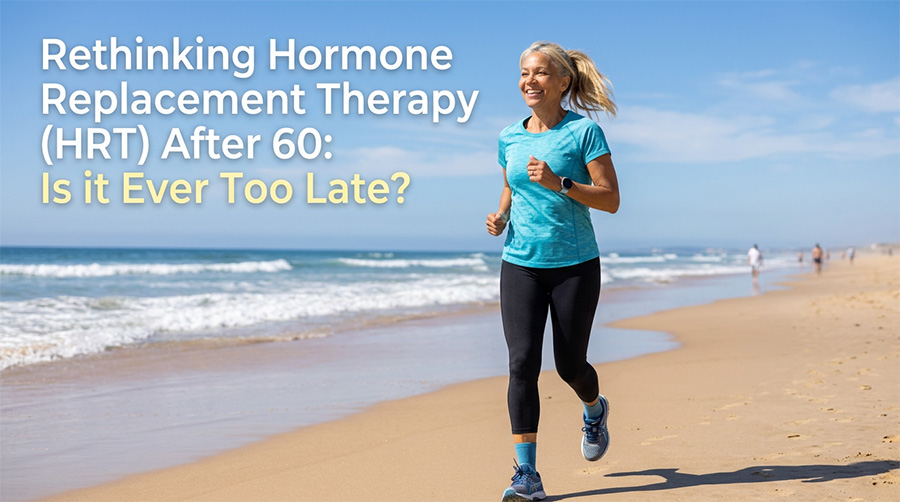
Can women still benefit from menopausal hormone therapy (HRT) after the age of 60, or has the opportunity passed? For many years, women were advised that menopausal hormone therapy was best started close to the onset of menopause. However, since the FDA’s black-box warning lift, evolving research and a more personalised approach to care have prompted many women to revisit the conversation later in life. To explore what current evidence tells us, Paola Chellew spoke to Dr Sibu Lubelwana, Obstetrician & Gynaecologist, and Dr Simone Silver, Functional Doctor at Hormonal Health & Wellness Centre, about starting HRT after 60, balancing benefits with risks, and why treatment decisions should always be individualised.
For many years, hormone replacement therapy (HRT), now more commonly referred to as menopausal hormone therapy (MHT), has been associated with the start of menopause in order to ease symptoms like hot flushes, sleep disruption and mood changes. Along with the relief came certain health risks, which made the option of taking hormones bittersweet. But in 2025, the FDA removed the black-box warnings, conveying the message that the benefits of HRT far outweigh the risks.
These changing attitudes, together with improved research and a better understanding of the benefits and risks, have prompted many women in their 60s – and even beyond – to ask an important question: Have I missed the window?
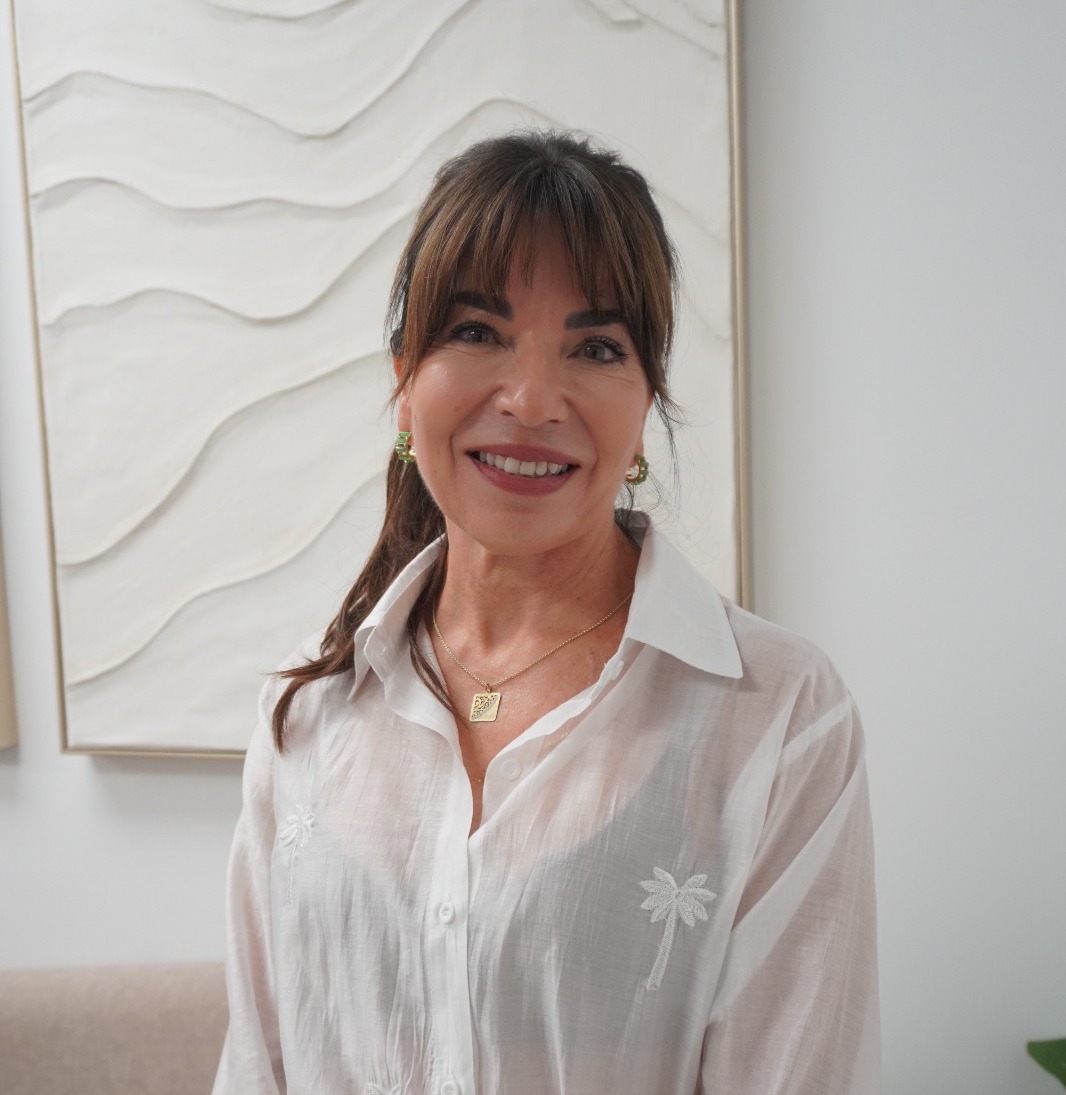
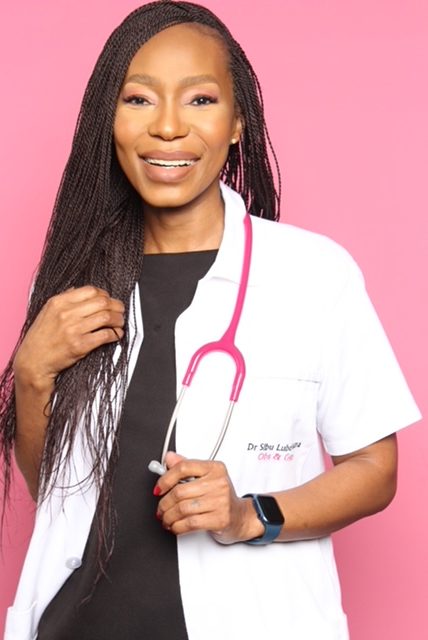
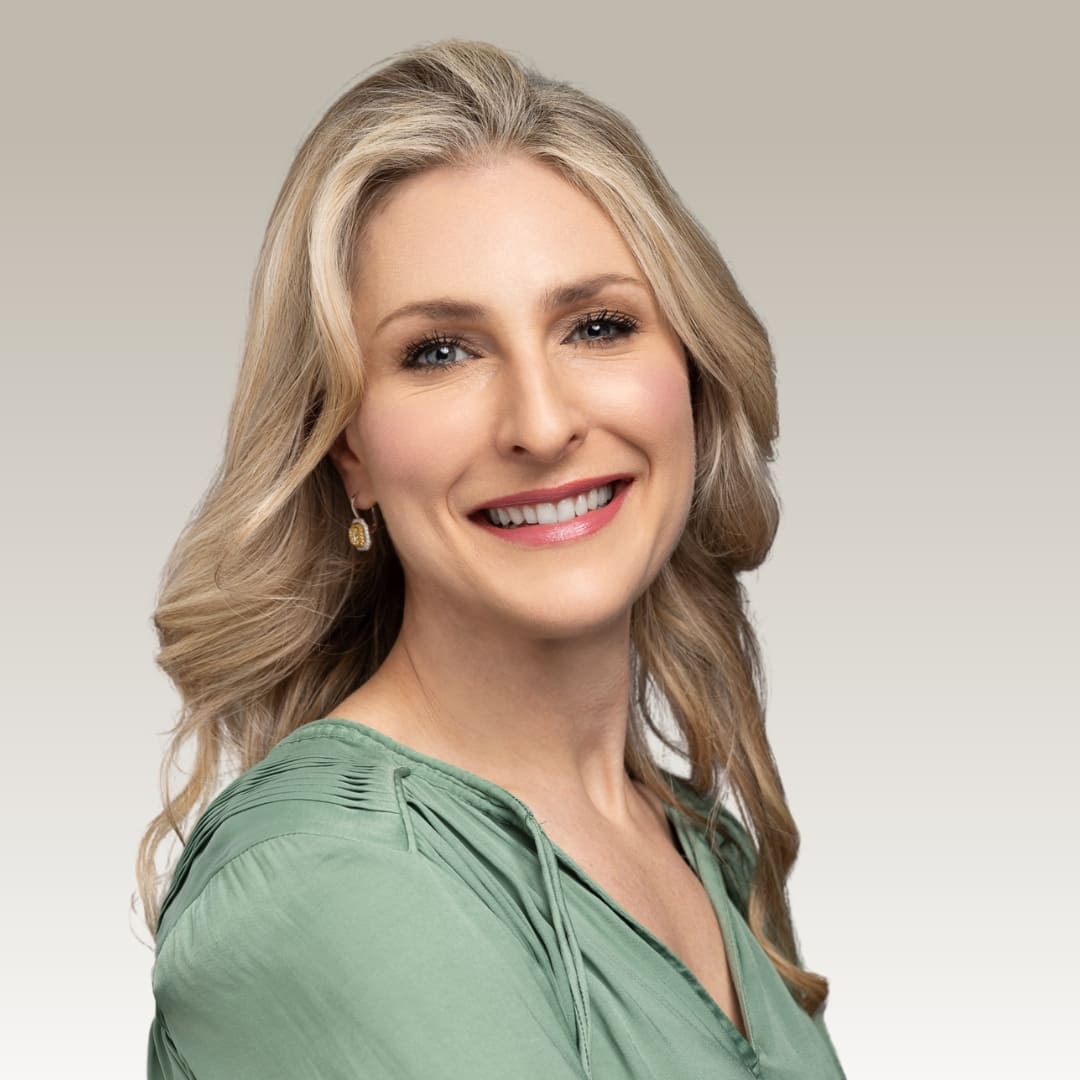
I asked two medical experts, Dr Sibu Lubelwana (Obstetrician & Gynaecologist) and Dr Simone Silver (Functional Doctor at Hormonal Health & Wellness Centre), to give insights into whether starting HRT later in life is a possibility, as well as how doctors address risk versus reward.
Understanding Late-Start HRT
1. Why are more women over 60 enquiring about HRT for the first time?
Both experts agree that the conversation has changed because our understanding of the Women’s Health Initiative (WHI) study has evolved. The WHI findings were based on one hormone combination but were broadly applied to all HRT.
Women who previously avoided HRT are reconsidering it because interpretations of earlier research have changed. We now recognise that different hormones and delivery methods have different risk profiles.
Women are becoming more informed and are seeking updated advice.
2. Is there an age when it becomes inadvisable to start HRT?
Starting after 60 may increase the risk of stroke, cardiovascular disease and blood clots. However, when treatment is started later, the lowest effective dose is preferred. Transdermal administration (patches/gel) is generally favoured.
Age itself isn’t the determining factor. Overall health, cardiovascular risk, clotting history and individual circumstances are more important.
Decisions should be personalised.
3. Is there a window of opportunity when it comes to discussing starting HRT, or is the decision dependent on an individual’s health profile?
Both doctors concur: The ideal window is within 10 years of the last menstrual period and before age 60, as benefits are generally greatest when treatment is started earlier. This is because blood vessels and the cardiovascular system have often already begun accumulating age-related changes by the time a woman reaches her 60s. Introducing hormones into that different physiological environment produces different effects. The discussion may become more nuanced when we look at different kinds of hormones and different routes of administration.
After deep personalised assessment, if starting MHT after 60, it is generally recommended that a low dose of transdermal oestrogen is used as the preferred hormone choice as it carries a lower risk for clotting and cardiovascular risk. The type of progesterone used after 60 is also important as there are different options.
Bone Health and Osteoporosis
4. Can HRT still offer meaningful bone protection after 60?
Oestrogen loss can result in up to 20% bone density loss within five to seven years after menopause; HRT may still benefit bone health, but it is not generally initiated solely for osteoporosis prevention after 60.
Other osteoporosis-specific treatments are usually preferred.
5. How does oestrogen loss affect bone density?
Dr Sibu breaks it down:
- Oestrogen maintains balance between osteoblasts (bone builders) and osteoclasts (bone breakdown cells).
- After menopause, bone breakdown exceeds bone formation.
- Bone loss is most rapid in the first 5-10 years.
6. Would HRT replace osteoporosis medication?
MHT is not currently prescribed primarily for osteoporosis treatment, but perhaps future research may change recommendations.
According to our experts, other osteoporosis medications remain first-line treatment after age 60.
7. Who might benefit in terms of the musculoskeletal system?
Women under 65 who have a high fracture risk and cannot tolerate first-line osteoporosis therapies might have some benefits from taking MHT.
8. What else should women prioritise?
For overall bone health, the primary prevention would be to use lifestyle modification: movement, yoga, Pilates, and specifically strength training for strong muscles, which in turn strengthen joints and bones.
Supplementation in the form of calcium, vitamin D and creatine is advised.
If there’s a family history of osteoporosis, bisphosphonates (medications that strengthen bones) should be considered.
One of the best things to do for bone strength and balance is resistance training (weight-bearing exercises).
Avoiding smoking and limiting alcohol is key, as well as having a bone density scan (DEXA), which is generally recommended from 50 years of age, so any bone thinning is picked up early rather than after a fracture happens.
Cardiovascular Health
9. There has been much debate around HRT and heart disease. What does current evidence suggest regarding cardiovascular risk and benefit?
It’s clear from the experts that MHT is not given as a preventative measure for heart disease, but where clinically indicated, evidence indicates that the cardiovascular benefit of MHT is when treatment is started early, within 5-10 years of menopause.
10. Does starting HRT later in life carry different cardiovascular implications than starting it closer to menopause?
“Starting later requires careful assessment and different hormone types have different cardiovascular effects,” asserts Dr Silver. “The issue is not that hormones change, but rather that blood vessels age and become less responsive, which alters the risk-benefit balance.”
11. What role do BP, cholesterol, smoking and weight play?
Dr Sibu clarifies:
“These have an impact when making an initial diagnosis. Some menopausal symptoms may resemble conditions such as hypertension or high cholesterol, so accurate diagnosis is essential.
In established postmenopausal women, these risk factors influence both the type of hormone therapy prescribed and the route of administration. Women with a history of smoking, obesity, poorly controlled hypertension or elevated cholesterol generally benefit from transdermal therapy because it lowers the risk of blood clots.”
Dr Silver adds:
“None of these are automatic reasons to say no to MHT, but they do mean your doctor will want to think carefully with you about the safest way to go about it – often favouring patches or gels for oestrogen and gentler hormone combinations, which carry lower risks.”
Overall oestrogen-loss symptoms
12. Let’s not overlook the hot flushes, mood swings, memory loss, interrupted sleep and low libido – all of these affect a woman’s quality of life. Would there be a significant change in a woman should she start HRT quite late – is it better late than never?
MHT remains the most effective treatment for vasomotor and genitourinary symptoms. The benefit-risk ratio is most favourable before age 60 and within 10 years of menopause.
However, women should not feel that they have missed the boat – many experience significant improvements in sleep, mood, energy and intimacy with MHT. This is so important and necessary for a good quality of life.
Every woman is Unique
13. Was there a one-size-fits-all approach?
Dr Sibu points out that earlier prescribing was less individualised and emphasised side effects and precautions to take for patients with certain high-risk factors. Now we have moved to patient-tailored interventions.
Dr Silver emphasises this with a great analogy: “It’s like saying a banana is yellow, therefore all fruit is yellow. We know that simply isn’t true – different types of fruit have different colours, textures and tastes – it’s the same with hormones – different kinds have different effects in the body and different risk profiles. Today, there’s a much wider range of options: patches, gels, sprays, and gentler, more body-similar hormone types – and prescribing has become more personalised.”
14. How do you balance evidence-based medicine with a patient’s personal concerns, symptoms and quality of life goals?
Dr Sibu offers succinct advice:
- Evidence provides guidance.
- The patient’s experience determines the final decision.
- Treatment often requires adjustment.
Dr Silver brings the message home:
“This is a two-way conversation, not a formula. The research reveals general patterns, how risk shifts with age, how one hormone differs from another – but it cannot tell any individual woman how much her broken sleep or loss of confidence is worth to her; how she feels about a small increase in risk versus feeling like herself again. Good care is about laying out the facts and then listening to what matters most to each woman, considering the science and the individual’s goals and aspirations, and deciding together what makes sense going forward.”
15. What are the misconceptions that women have about starting HRT later in life?
A few come up again and again:
- I’ve missed my window, so it’s too late. Not true – it simply means the conversation is a little more careful, not that the door is closed.
- All HRT is the same, and equally risky. Not accurate at all – the effects and risks change depending on the type of hormone used and the way it is administered (oral vs on the skin, for example).
- “HRT causes breast cancer.” The real picture is more reassuring – it depends on the type of hormone therapy, how long it’s used and the specific health profile of each patient. There are also other risk factors for breast cancer (like alcohol use and being overweight) that don’t get as much ‘airtime’ as HRT. Perspective is important.
- Once you start, you’re on it for life. Not true – this is always a decision you can revisit with your doctor over time.
16. What would your advice be to a woman over 60 (and perhaps even in her 70s) who is curious about HRT but uncertain whether she has missed the window?
There is consensus on this from both experts:
If you are symptomatic, seek advice and assessment. You can discuss risks and benefits with your medical practitioner and make an informed decision based on scientific evidence. Have the conversation – age is not an automatic barrier. Symptoms, cardiovascular health, bone health and quality of life are all considered in the equation. Remember that there are safer options.
If MHT is a good option for you, the safest route is usually a low dose of oestrogen delivered transdermally (a patch or gel) together with a gentle oral progesterone if one is needed to protect the womb lining.
For vaginal dryness or discomfort, a locally applied vaginal oestrogen treatment might be all you need.
Author’s conclusion
Having the benefit of both medical doctors’ advice, we can answer the initial question of whether we are too late to start MHT after 60: Has the ship sailed?
Clearly, you can still sail!
We need to open ourselves to the different options we have as women – it’s not “our lot in life” to suffer through horrible symptoms because of the loss of our beautiful hormones. Rather replenish. Rather look at the different ways – with medical guidance – for your unique map to navigate through this stage of your life. Rather enjoy the wisdom that comes with age, with a stronger body, with health and with joy.
About the author

Paola Chellew is a freelance journalist and regularly writes for a number of publications. A former professional contemporary dancer, she has always loved the arts in all their forms. She has been a freelance writer for many years and has been published in various magazines including Live Out Loud, Private Life and Do It now magazines. Her passion for beauty and skincare started in her teens, when she would read every beauty editor’s picks and reviews. Serious about skincare, she has researched medical-grade products for over ten years, as well as aesthetic treatments to restore and repair skin to look its best. Since entering her 60s, she has dedicated her blog to the “over 50s and beyond Club”, shining a spotlight on a generation that is seemingly sidelined by the beauty industry. “There is no age limit for when you stop being beautiful – a gorgeous lipstick, a sexy fragrance, radiant skin- these are not synonymous with youth- they are just things that add an extra sparkle to my day”.

Dr Sibu Libulwena is a specialist in Women's Health with extensive expertise in both obstetrics and gynaecology. Her practice based in KZN, focuses on providing comprehensive care across various stages of a woman's reproductive life. Dr Sibu is passionate about empowering women to take control of their health from a young age, offering services such as family planning, preconception counselling and management, antenatal care, post-delivery care, cancer screening, and STI prevention and treatment.
Recognising the complexity of the female reproductive system, Dr Sibu advocates for regular check-ups, starting from menstruation, to help prevent and detect any potential issues that could affect long-term health. She is dedicated to supporting women through every stage of their health journey.

Bachelor of Medicine & Surgery (MBBch) Medicine
Dr Simone Silver (“The Integrated Doctor”) graduated with her medical degree from the University of Witwatersrand in 2007.
Even as a medical student, she was intrigued by the concept that not only are all the body systems connected in an intricate manner, but that a network of environmental, psychological, hormonal, genetic and dietary factors all influence physical and emotional well-being and propensity for disease.
Over the years, as her studies branched into the field of Functional Medicine, her interest in individualised healthcare became an inexhaustible passion.
She practised at the Integrative Medical Centre in Johannesburg until 2014, when she moved to Cape Town and opened her own practice, Hormonal Health + Wellness Centre, and moved to a beautiful new premises in the V&A Waterfront in August 2025.
Dr Simone lectures to both healthcare professionals and patients alike.
Her areas of particular medical interest are Hormonal Imbalances across all ages, particularly in women, Menopausal Health, Chronic stress and Burnout management.
Her fascination with the interplay and complexity between health and factors such as environmental, social, hormonal and genetic factors soon became an inexhaustible passion
She is passionate about sharing her expert knowledge on Integrated Medicine and her unique perspective of the “Artistry of Health” through speaking and events, both locally and internationally.
She values self-growth and awareness and is excited by life’s daily opportunities for continued learning and development.
Dr Silver says, "as "The Integrated Doctor", I strive to blend scientific principles with individual uniqueness, treating medicine as an art form.”